Reusing food jars without assuming they are heatproof
An empty food jar can be useful for suitable storage, but its original contents do not prove it is ovenproof, freezer-safe or designed for home preserving.
Choose a limited new job
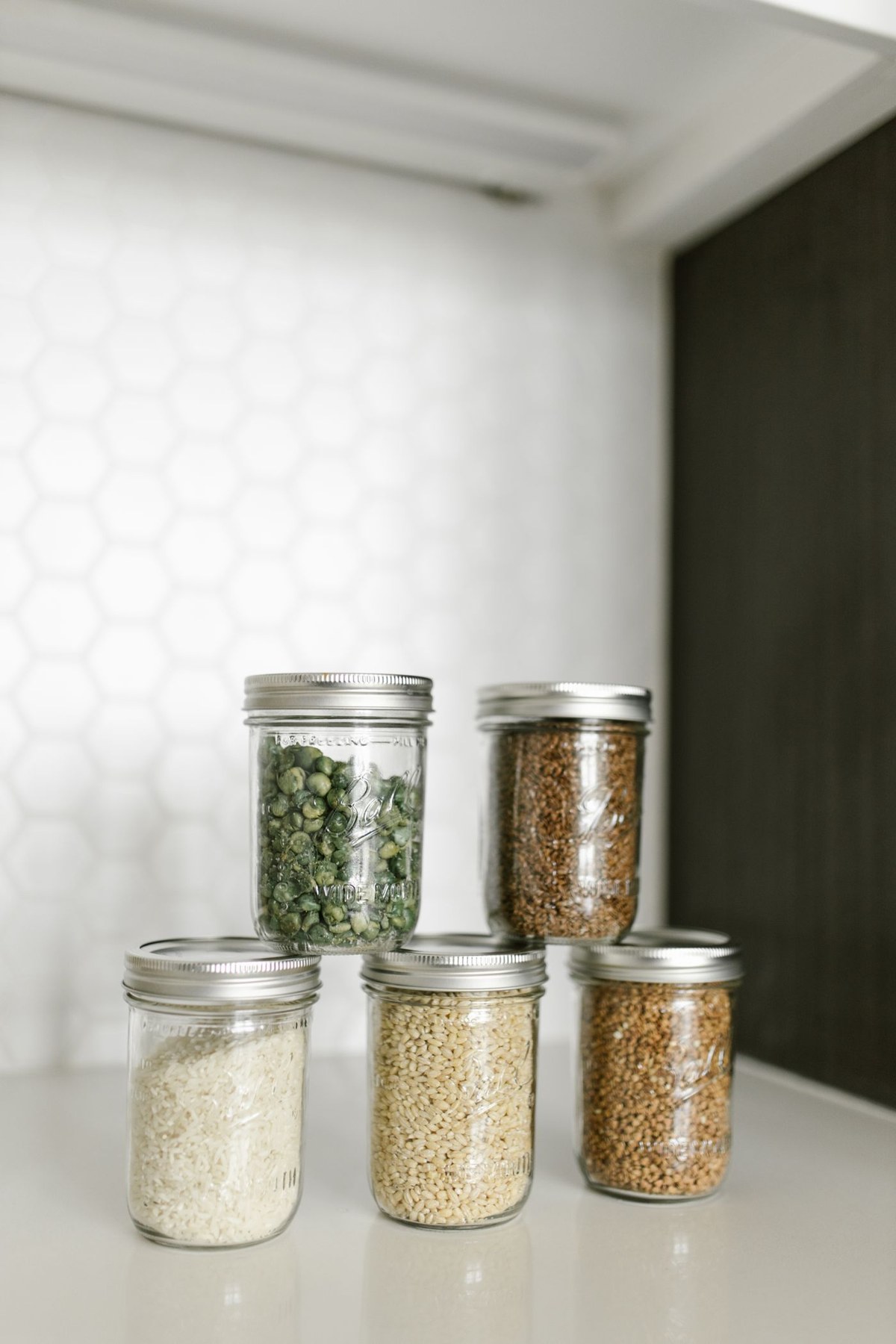
Start by checking that the jar is intact and can be cleaned properly. Look at the rim, threads and lid, and keep chipped or cracked glass out of food use. A clean jar may suit dry ingredients or another appropriate storage task, but the new use should not depend on an unverified heat or pressure capability.
Remove old food residue and clean using a method suitable for the jar and lid. A lid's lining may retain odour or show corrosion even when the glass looks sound. Do not keep a questionable lid merely because it still screws on. Avoid reusing jars that previously held non-food chemicals for food storage.
Separate storage from preserving
Putting food in a jar is not the same as making it shelf-stable. Home canning requires a tested process, suitable equipment and appropriate jars and lids. The National Center for Home Food Preservation recommends purpose-made home-canning jars and explains limitations of commercial jars. A vacuum-like lid click alone does not validate a process.
Do not bake food in a commercial sauce jar or pour boiling liquid into it on the assumption that it survived factory filling. Factory conditions and packaging design do not establish a home oven rating. Freezing also requires suitability and appropriate space for expansion; an ordinary jar with narrow shoulders may be the wrong choice.
If a recipe asks for a heatproof vessel, choose one explicitly sold for that use. The saving from reusing a jar is small compared with the inconvenience of breakage and spoiled food. Keeping the reuse task simple avoids needing to guess at the glass composition or manufacturing treatment.
Label the contents you actually put inside
Remove or clearly cover an old food label that could misidentify the new contents, while retaining any useful jar information separately. Add the food name and a date relevant to storage. A reused jar does not extend the shelf life of the ingredient or replace refrigeration where needed.
Store jars where they can be lifted without knocking together or falling from a high shelf. If a jar is no longer usable, follow the local collection rules for glass packaging and lids. Heat-resistant cookware glass can have a different recycling route from food jars, another reason not to treat all transparent kitchen vessels as interchangeable.