Replacing products gradually instead of clearing every cupboard
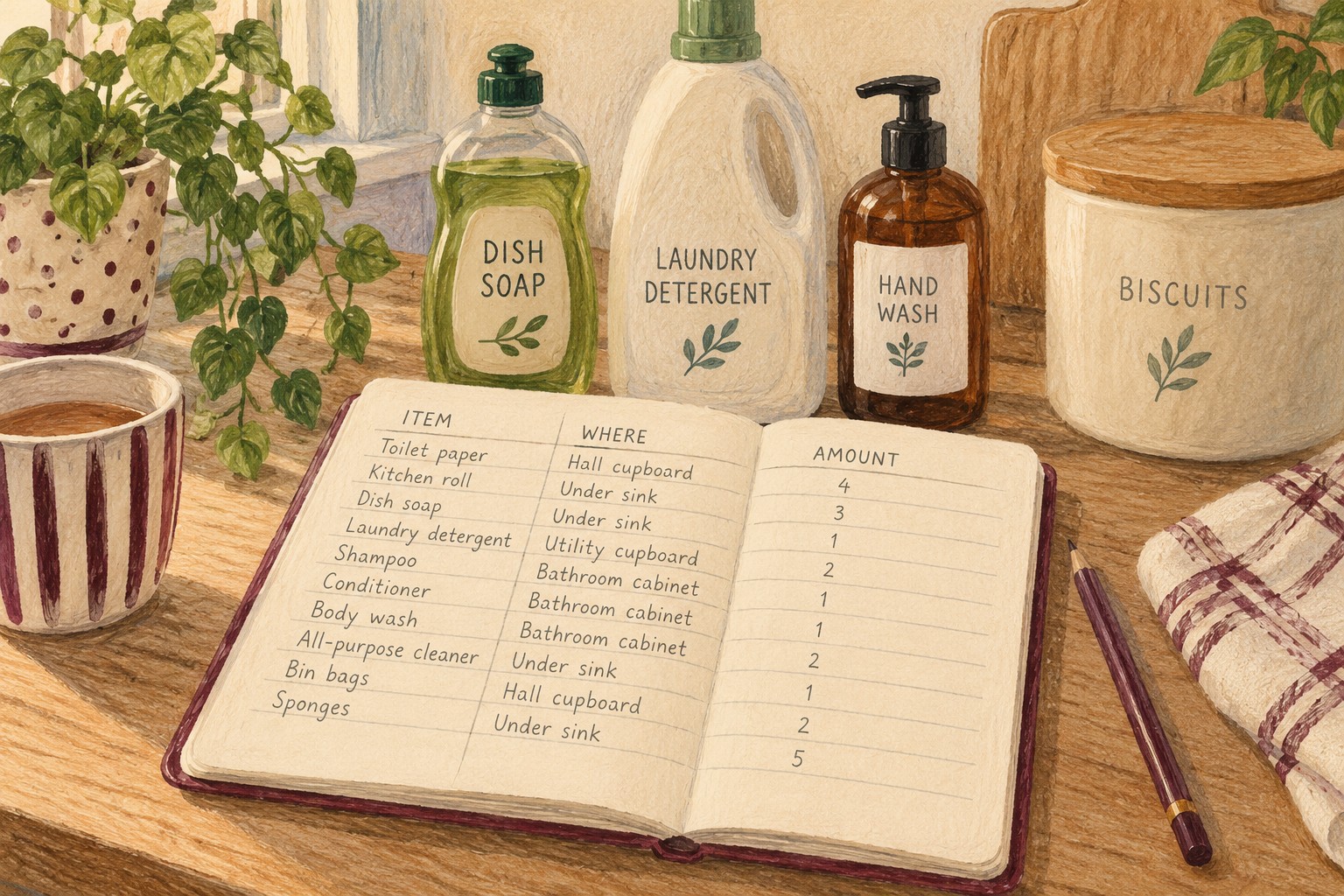
Changing a household routine does not require replacing every bottle and container at once. Prioritise a concrete problem, then choose the next suitable purchase.
Deal with faults before preferences
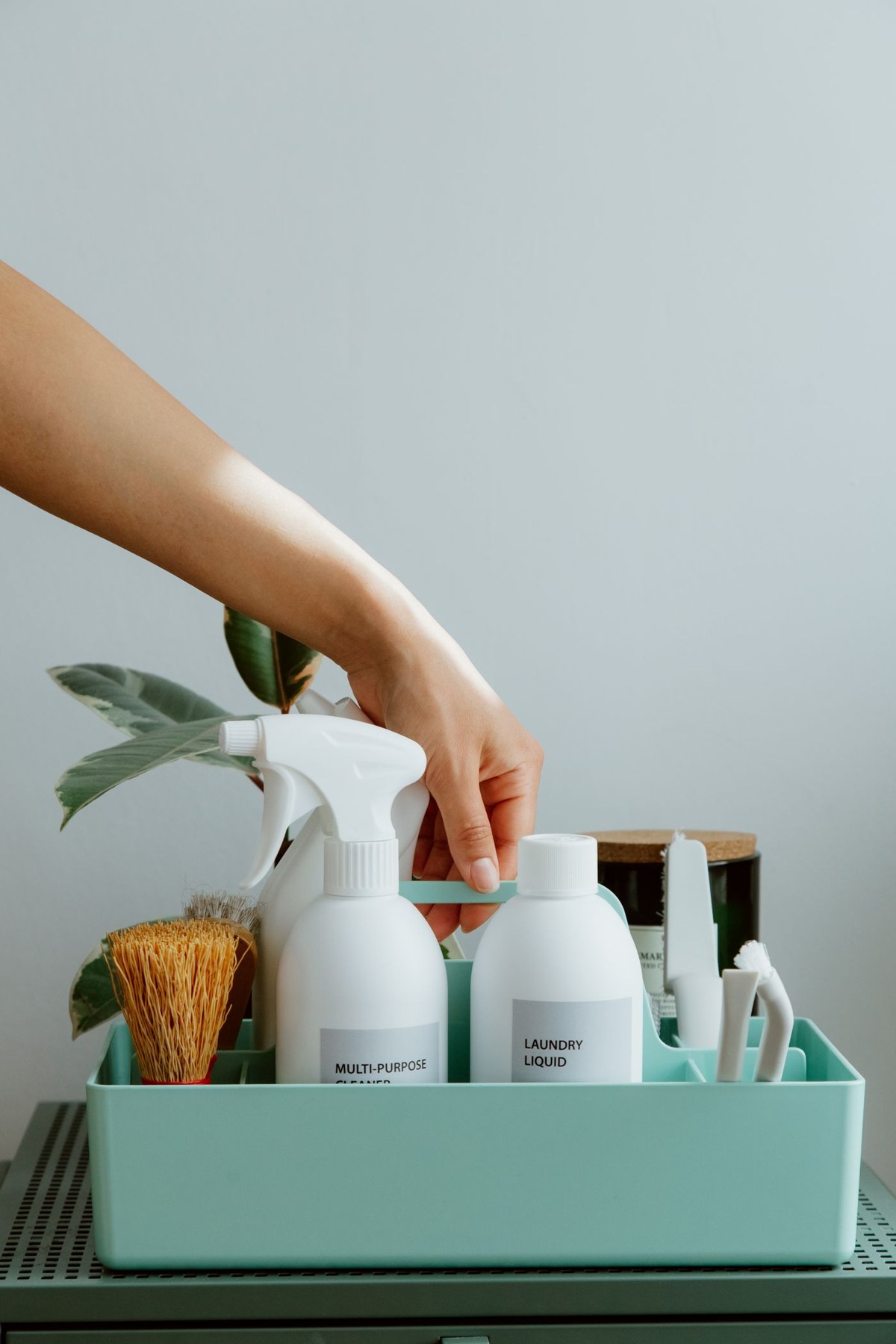
A leaking cleaner bottle, a recalled product or a cracked food container needs attention independently of a new shopping preference. Follow the relevant instructions or recall notice and keep the item out of normal use where appropriate. Do not postpone a genuine defect simply to finish the contents.
For intact products used as directed, a new interest in a material or ingredient does not automatically justify throwing everything away. Identify the specific reason for change: an unsupported use, a known allergy, a closure you cannot clean, a fragrance preference or poor performance. Different reasons call for different responses.
Choose one replacement point
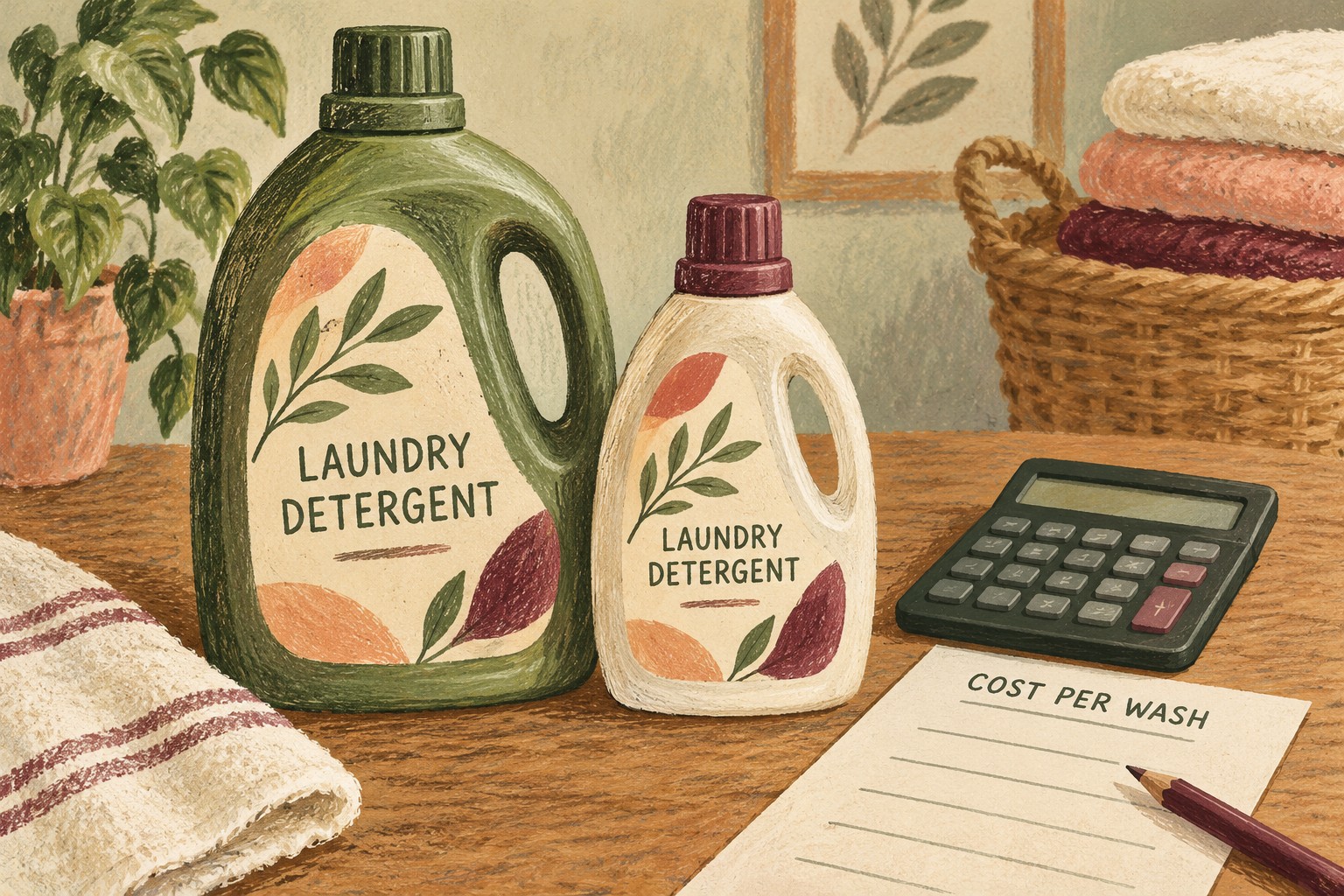
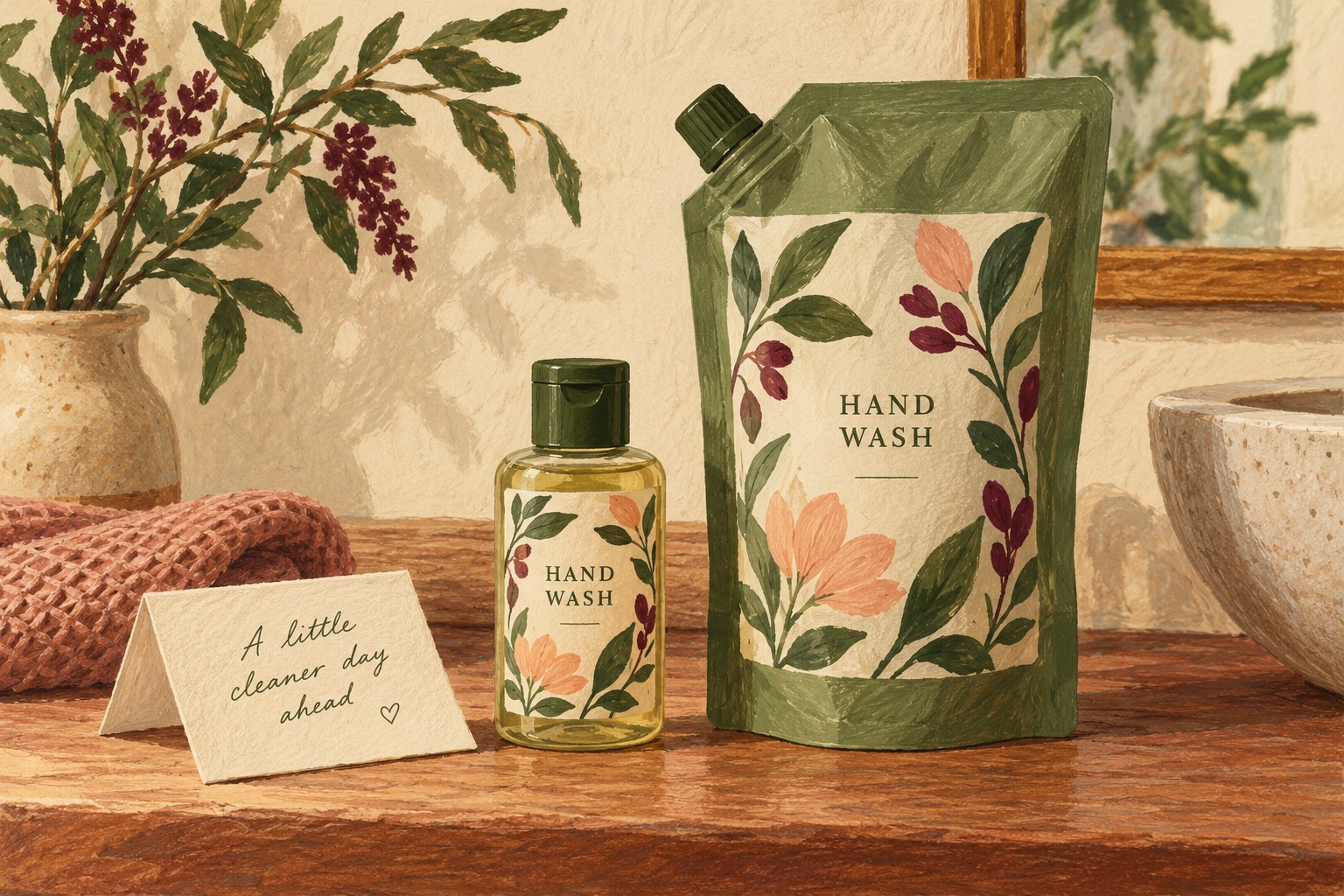
Pick an item approaching the end of use and compare alternatives for the same job. Keep the comparison small enough to finish. A hand-wash refill, for example, needs compatibility and refill directions; a replacement frying pan needs suitable heat and utensil instructions. One generic list of desirable labels will not cover both.
If the new product changes the routine, allow time to learn it before switching several other things. A concentrated detergent may need a different measure, while a new food box may have a lid that must be removed for heating. Clear instructions are easier to remember when changes are introduced deliberately.
Use a budget and a reason
Write a short reason beside the proposed purchase and set a cost limit. Include replacement parts, refills or maintenance where relevant. A more expensive starter system may be unsuitable if its ongoing supplies are unavailable or exceed the budget. Waiting for clearer information can be a valid decision.
Avoid buying a large bundle merely to qualify for a discount. If you have not used the formula or design, a smaller initial purchase can reveal ordinary usability problems without leaving several backups. This is a purchasing trial, not proof of long-term safety or suitability for everyone.
Handle the old item accurately
Keep usable items that still have a role, and follow local disposal guidance for those that do not. Do not pass on recalled, unidentified or damaged products as though they are normal supplies. Retain labels and explain relevant condition if an item is legitimately given away.
After the replacement has been used, note whether it solved the original problem. If it did not, reassess the requirement rather than continuing a chain of purchases based on stronger claims. Gradual replacement works best when each change has a clear purpose and a manageable place in daily use.