Choosing glass food containers: lids, temperature and handling
The glass base is only one part of a food container. Its lid, seal, shape and use instructions determine how it fits into your kitchen.
Begin with the journey of the food
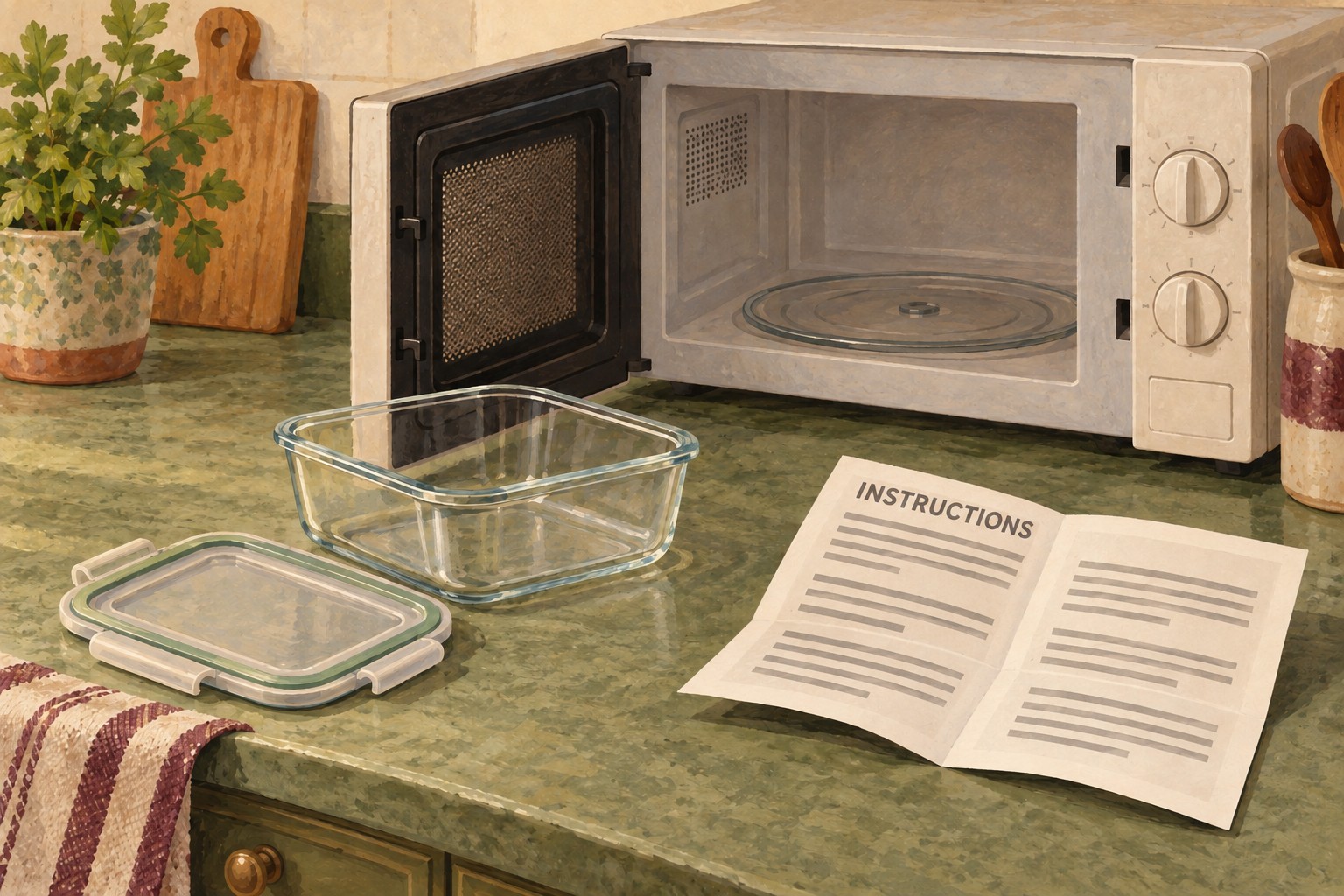
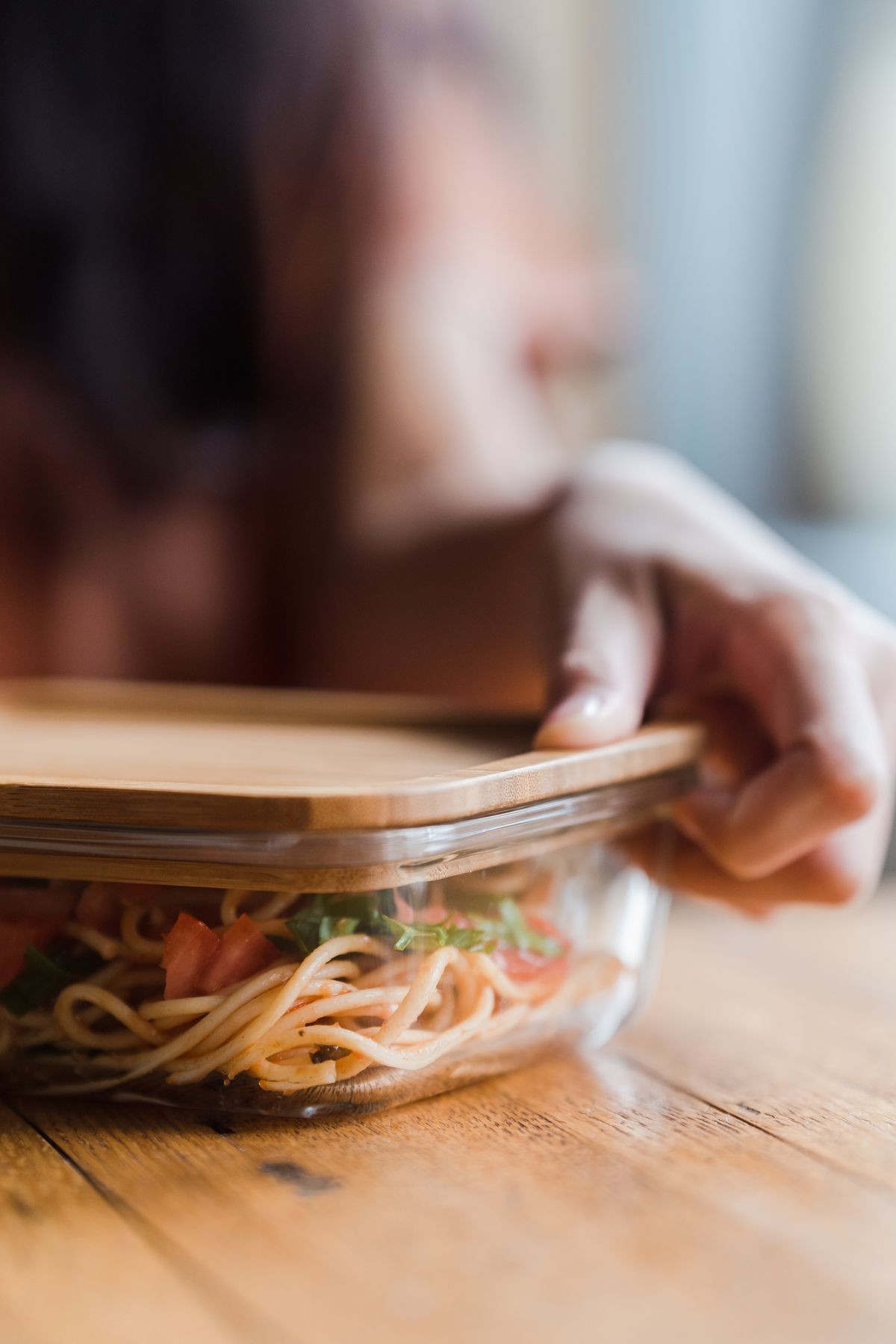
Write down what the container needs to do: hold leftovers in the fridge, travel in a bag, freeze a portion or reheat a meal. Those uses are not interchangeable. A container that stores food well may not be intended for an oven, and a lid that seals tightly may need to be removed or vented during reheating. Check the instructions for the exact model before deciding that one box can do every job.
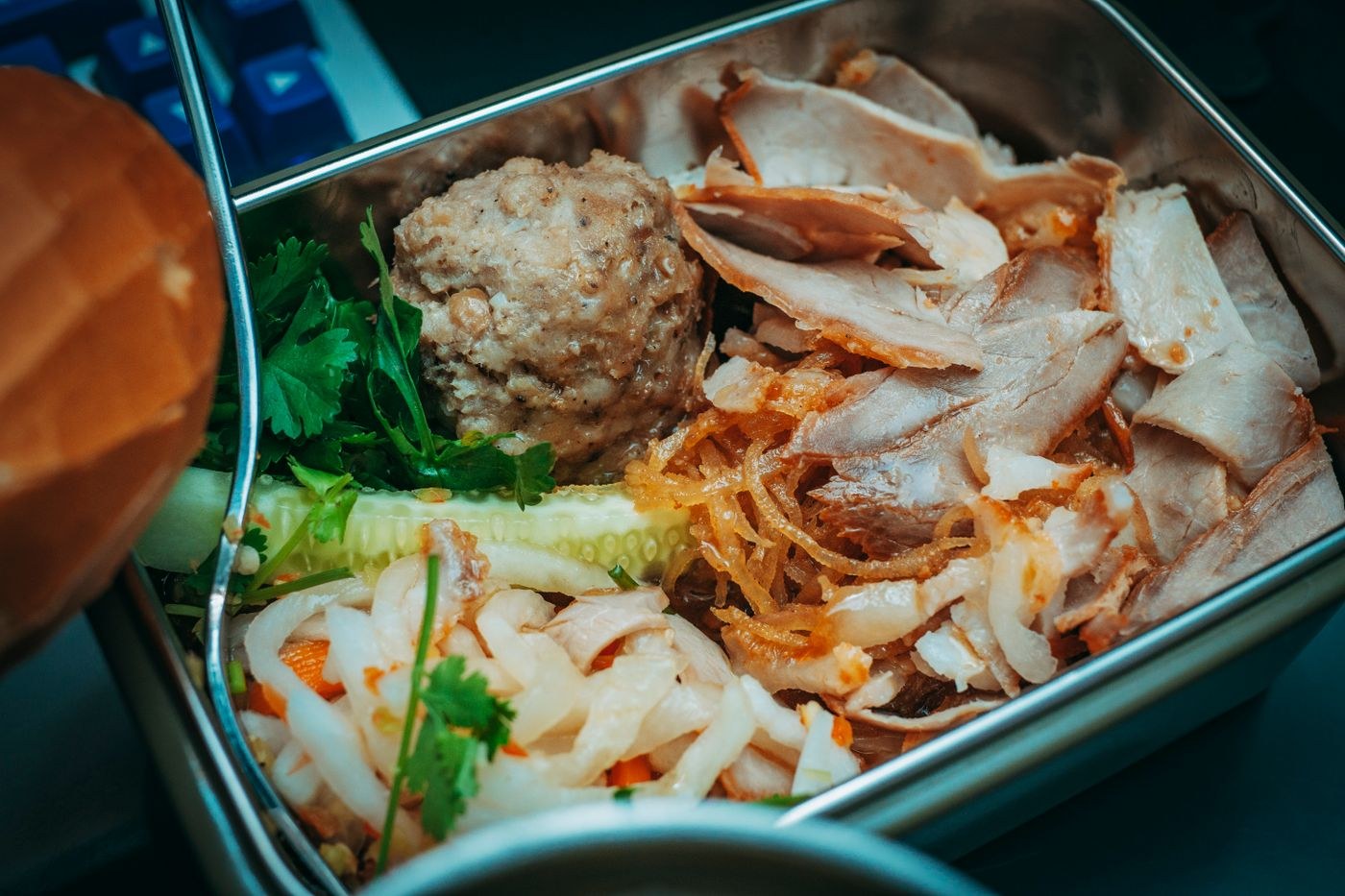
For lunch away from home, consider the weight of a filled container as well as its capacity. Check that the dimensions fit your bag and that the closure is appropriate for the food you carry. An open-topped storage bowl with a loose cover is a different proposition from a box specifically described as leak-resistant. Keep a new container upright until you understand its closure; do not infer performance from the appearance of a clip.
Read the base and lid instructions separately
A glass container may come with a plastic, silicone, wooden or glass lid. Each component can have different care and temperature limits. For example, the instructions for some IKEA glass containers allow oven use for the base but not the accompanying lid. That example is a reason to check components, not a rule for every IKEA container or every glass box.
Look for separate information on the seal, valve and removable clips. Check whether they can be taken apart for washing and whether replacements are available. If the manufacturer says to remove the lid for a particular use, loosening one corner is not necessarily an equivalent instruction.
Temperature changes need attention
Glassware can break when misused or damaged. Pyrex's use information explains that its glassware needs protection from sudden temperature changes and impact. Follow the guidance supplied with your own container, including restrictions on stovetops, grills and other direct heat sources. An oven-safe claim is not permission to use any heat source.
Do not invent a freezer-to-oven routine or a universal waiting time from a photograph. Read the product directions and plan a compatible way to store and reheat the meal. If you need a container for a specific transition, ask the manufacturer about that exact use before buying. Food handling still needs to follow food-safety guidance; protecting glass from temperature shock is not a reason to leave perishable food out indefinitely.
Check what everyday cleaning involves
A wide opening and accessible corners make it easier to see whether food remains after washing. Look closely at channels around the lid and any removable gasket. Choose a closure that you can dismantle and reassemble as instructed without stretching or damaging it. Let the washed parts dry before storing them closed.
Stacking also deserves a trial. A tall stack may save cupboard space but be awkward to lift safely. Avoid forcing tightly nested glass pieces apart or knocking their rims together. Store lids where their seals are not crushed under other equipment. A small set in sizes you actually use can be more manageable than a large collection of mismatched parts.
Buy information as well as capacity
Before paying, check for readable use instructions, an identifiable manufacturer and a way to obtain a matching replacement lid. Examine the rim and base for chips, cracks or other damage. Do not keep using visibly damaged glassware simply because it still holds water.
Glass can suit many storage routines, but choosing it does not require declaring every alternative material unsafe. Compare the intended use, handling needs and maintenance of each option. The useful purchase is the one you can use correctly, clean thoroughly and store without damage.