What to record when a cosmetic causes a reaction
A clear record helps a clinician, manufacturer or regulator understand what happened after a cosmetic was used. It should describe events without guessing the cause.

Deal with symptoms before paperwork
Stop using the suspected product. Seek medical advice appropriate to the symptoms; severe swelling, breathing difficulty or other urgent symptoms require immediate help. Recording details should never delay care. Do not reapply the product simply to see whether the reaction happens again.
Keep the product and packaging safely aside if possible, but do not continue using it while deciding what to do. If there is a spill, leak or unsafe container, follow the product’s instructions and obtain advice rather than preserving it at any cost.
Record the product accurately
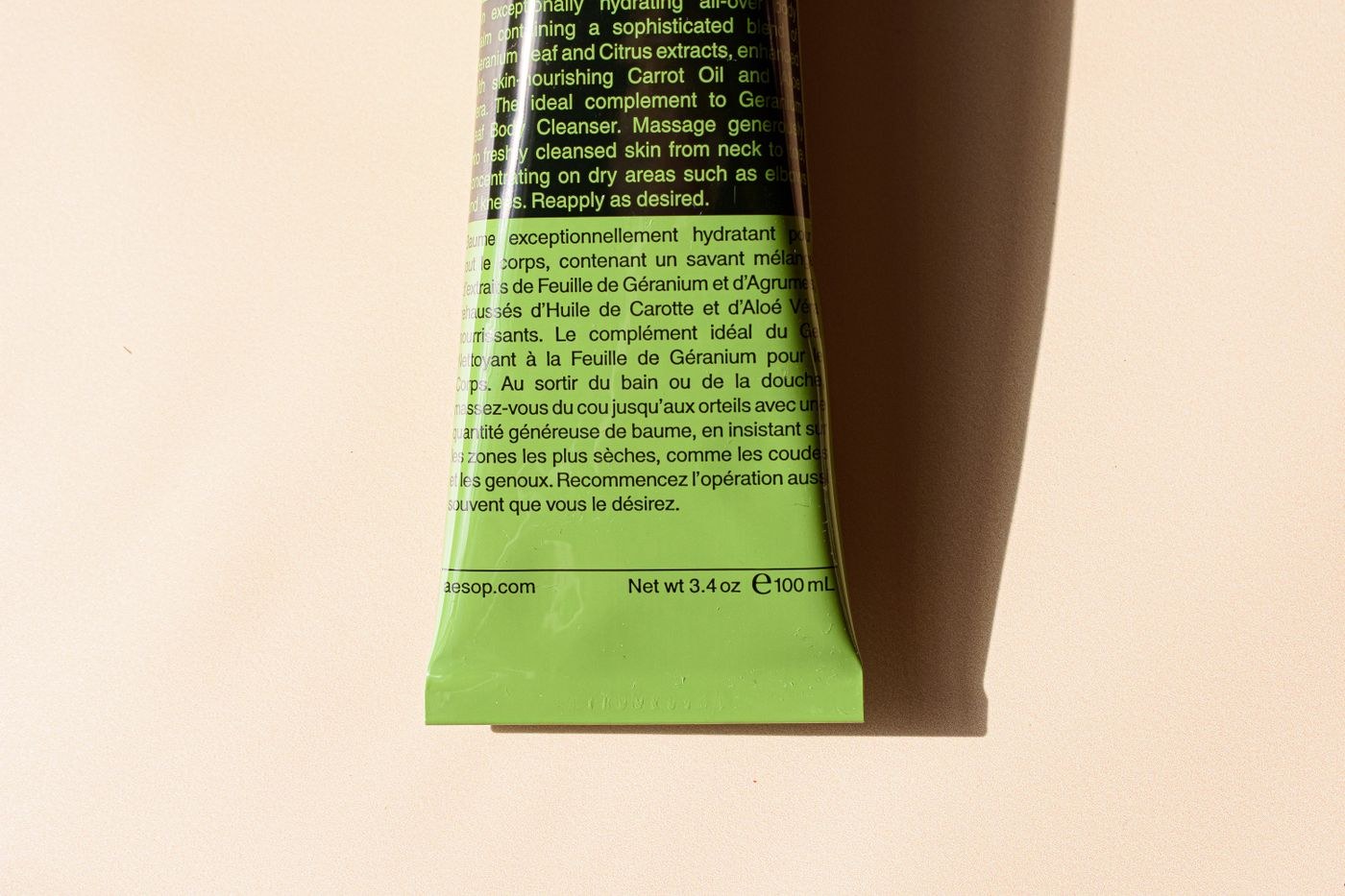
Write down the full brand and product name, variant, batch code and where and when it was bought. Photograph the ingredient declaration, warnings and date information. Include whether the product was new, recently opened or a refill, and how it had been stored.
Note the amount used as best you can, where you applied it, whether it was rinsed away and how long it stayed on. These details make a report more meaningful than “used a face cream”. If the packaging instructions were unclear, keep a photograph of that wording too.
Describe the sequence
Record when symptoms began, what they looked or felt like and how they changed. If taking photographs is appropriate, use clear images and keep the dates. Do not alter them to make the reaction look more dramatic.
List other products used around the same time, including cleansers, makeup, hair products and prescribed treatments. Recent shaving, a salon service or unusual exposure may also be relevant. This does not mean any of them caused the problem; it gives the professional assessing it a fuller picture.
Separate facts from conclusions. “Redness appeared ten minutes after application” is a fact you may be able to report. “This preservative caused an allergy” requires evidence that a home observation cannot establish.
A concise report structure
A useful report can begin with one sentence identifying the product and date of use, followed by the method and symptom timeline. Put photographs and batch details alongside it. This keeps the account readable for a person who has not seen the product or your routine.
If you do not remember a detail, say so. An approximate time marked as approximate is better than a precise time invented later. Do not edit the record to make the product appear definitely responsible after reading other people’s experiences online.
If a clinician gives advice or a diagnosis, record the date and wording accurately. Keep it distinct from your initial observations. The record may develop as information becomes available, and preserving that distinction helps avoid confusing a suspicion with a confirmed explanation.
Use the appropriate reporting route
Contact the manufacturer with the product identity and a concise account. Follow the cosmetic complaint route in your country if you wish to report the event to a regulator; FDA provides a route for US cosmetic complaints. A refund conversation with a retailer and a safety report have different purposes.
Keep copies of replies and any advice received. Avoid publishing unnecessary medical or personal information in a public review. A factual review can describe your experience without claiming that the product will affect everyone or that an ingredient is universally dangerous.