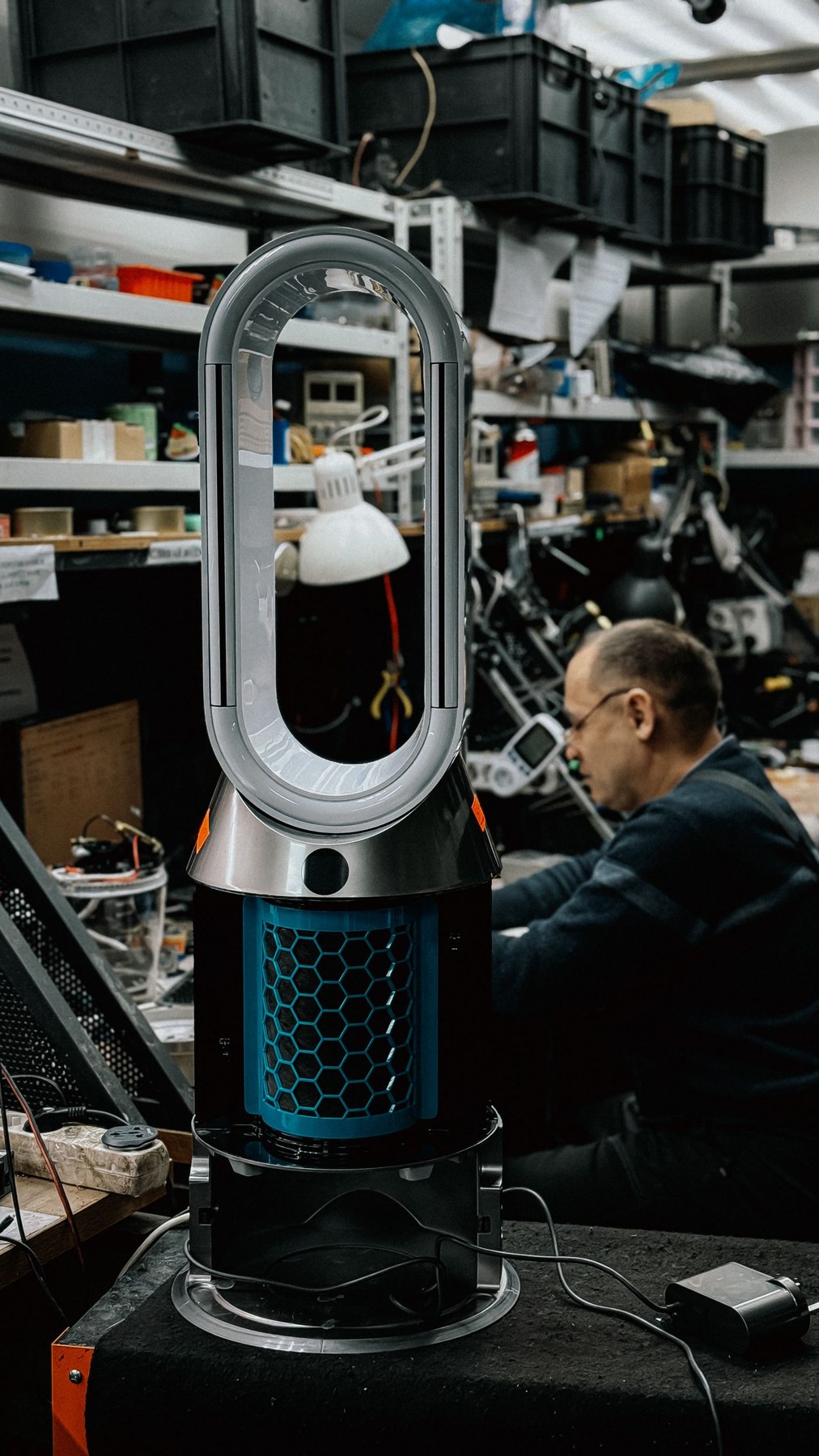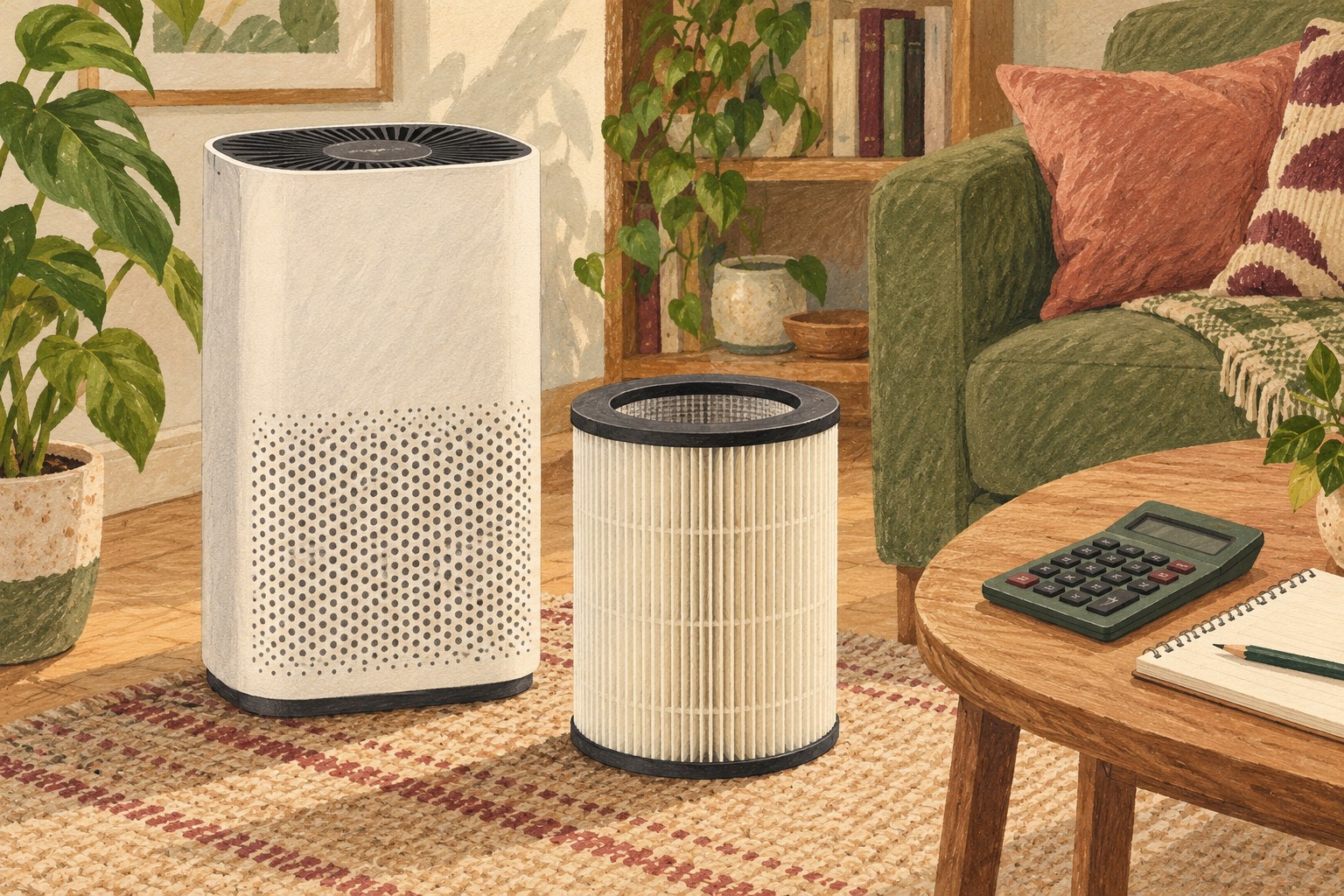
Vacuum filters and dust collection systems
A vacuum's filter and dust container need to work together. Compare how dust is collected, how parts are maintained and what replacements cost.
Look beyond the filter name
A HEPA filter specification is not automatically a whole-machine performance claim. Check whether the manufacturer describes the assembled vacuum's filtration and sealing, and what tests support the description. Air that bypasses a filter is a different issue from the filter material's rating.
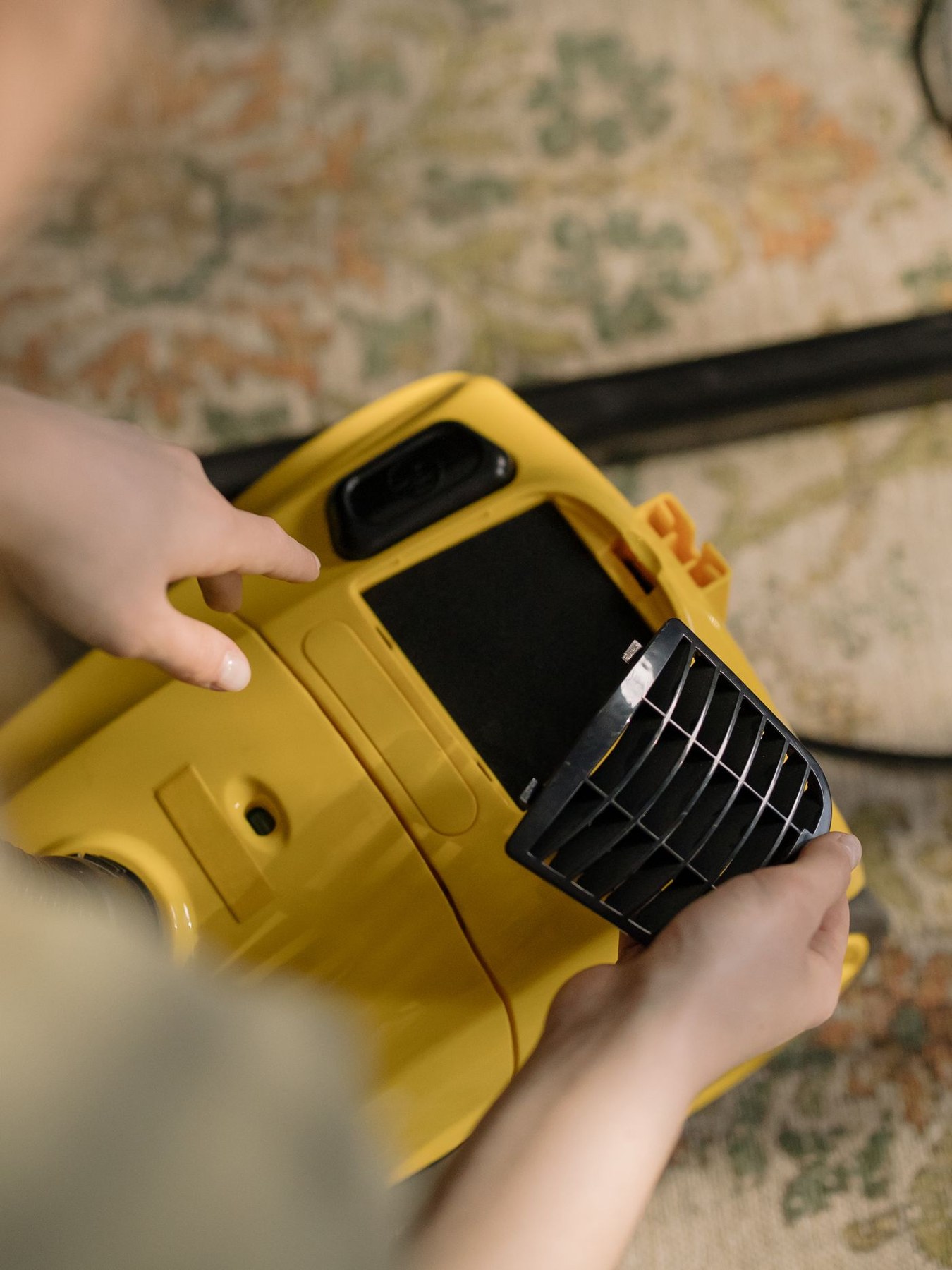
Choose a collection system you can empty or replace comfortably. A bagged model may involve buying compatible bags, while a bagless model requires handling the collected dust. Neither arrangement removes the need to follow emptying and cleaning instructions. Look at the opening mechanism, the container's weight and whether parts must be removed over a bin.
Separate washable and replaceable parts
Read the manual for the exact model. A washable pre-filter does not mean the final filter may also be washed. Some parts are cleaned with water, some with a dry method and others replaced. Label the parts mentally or in a small maintenance note so a generic cleaning video does not lead to the wrong treatment.
Where washing is permitted, allow complete drying for at least the time specified before refitting. Dyson's guidance for certain filters illustrates the importance of drying fully and avoiding unsuitable heat sources. Follow the specific machine manual because methods differ between models. Do not use a microwave, oven or flame to speed the process.
Find replacement parts before purchase
Check replacement codes and prices before purchasing. A low-cost vacuum with difficult-to-find bags or filters can become inconvenient. Ask whether compatible alternatives retain the claimed performance rather than assuming that a similar shape is enough.
Use it for the dust it was designed to collect
An ordinary household vacuum is not a general renovation-dust extractor. Do not use it for suspected asbestos, lead-contaminated dust or other hazardous material. Those situations need an appropriate assessment and equipment. Wet spills also require a machine explicitly designed for them.
Empty or replace collection components before the stated fill limit and inspect hoses and seals as directed. If suction drops, follow the troubleshooting steps rather than removing a filter to make airflow seem stronger. A vacuum should be evaluated as a maintained system, including the work required after the floor has been cleaned.