Ventilation, source control and air cleaning: different roles
Removing a source, bringing in appropriate outdoor air and filtering indoor air do different jobs. A purchase is easier to judge once those roles are separated.

Begin with the activity or source
Write down when the concern occurs. Is it linked to cooking, a renovation, smoking, a damp patch or a newly introduced product? This does not identify every pollutant, but it can reveal a practical action. Stopping an unnecessary fragranced spray is a different intervention from running a filter while continuing to spray it.
The US EPA describes source control and ventilation with clean outdoor air as central approaches, with filtration as a supplement. Source control might mean using extraction at the point of cooking, fixing a moisture problem or removing an unnecessary emitting product. It should not mean disturbing a suspect building material without qualified advice.
Ventilation needs a route for air
An open window can allow exchange, but the result depends on the building, weather and outdoor conditions. A fan that merely circulates air inside a room is not the same as extraction to outdoors. Check where a kitchen hood or bathroom fan discharges and whether it needs maintenance. Do not block permanent ventilation openings to solve a draught without understanding their purpose.
Outdoor air is not always the cleaner option. Follow local advice during smoke events or serious air-pollution episodes, and consider security, temperature and noise. A universal instruction to leave all windows open is not suitable for every household or day. A mechanical ventilation system should be operated and maintained according to its design.
Ventilation also interacts with moisture. Cooking and bathing add water vapour, while leaks and building defects can cause damp independently of daily habits. Repeated condensation deserves investigation rather than blame. In rented accommodation, document the issue and report it through the appropriate housing route.
Filtration is specific
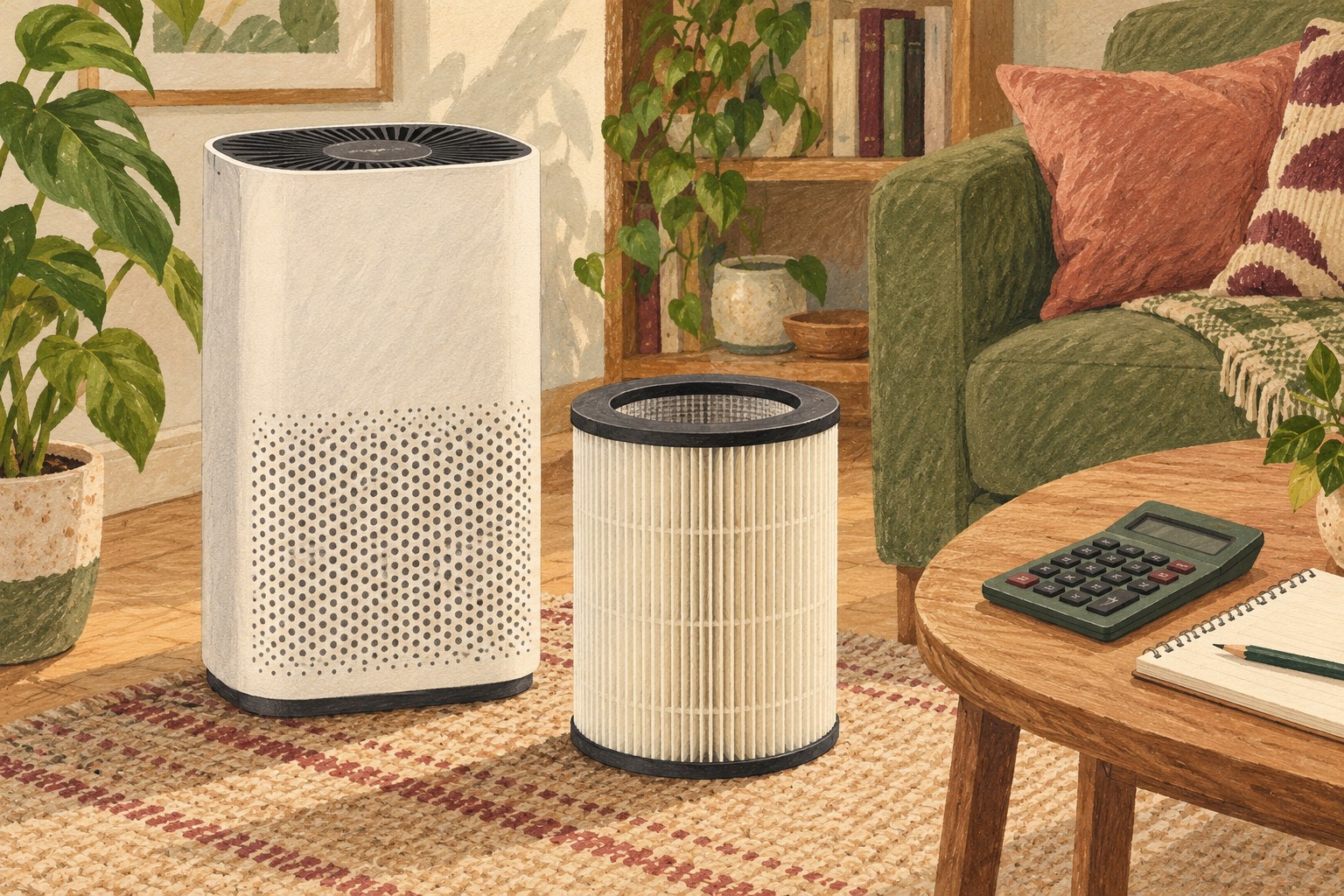
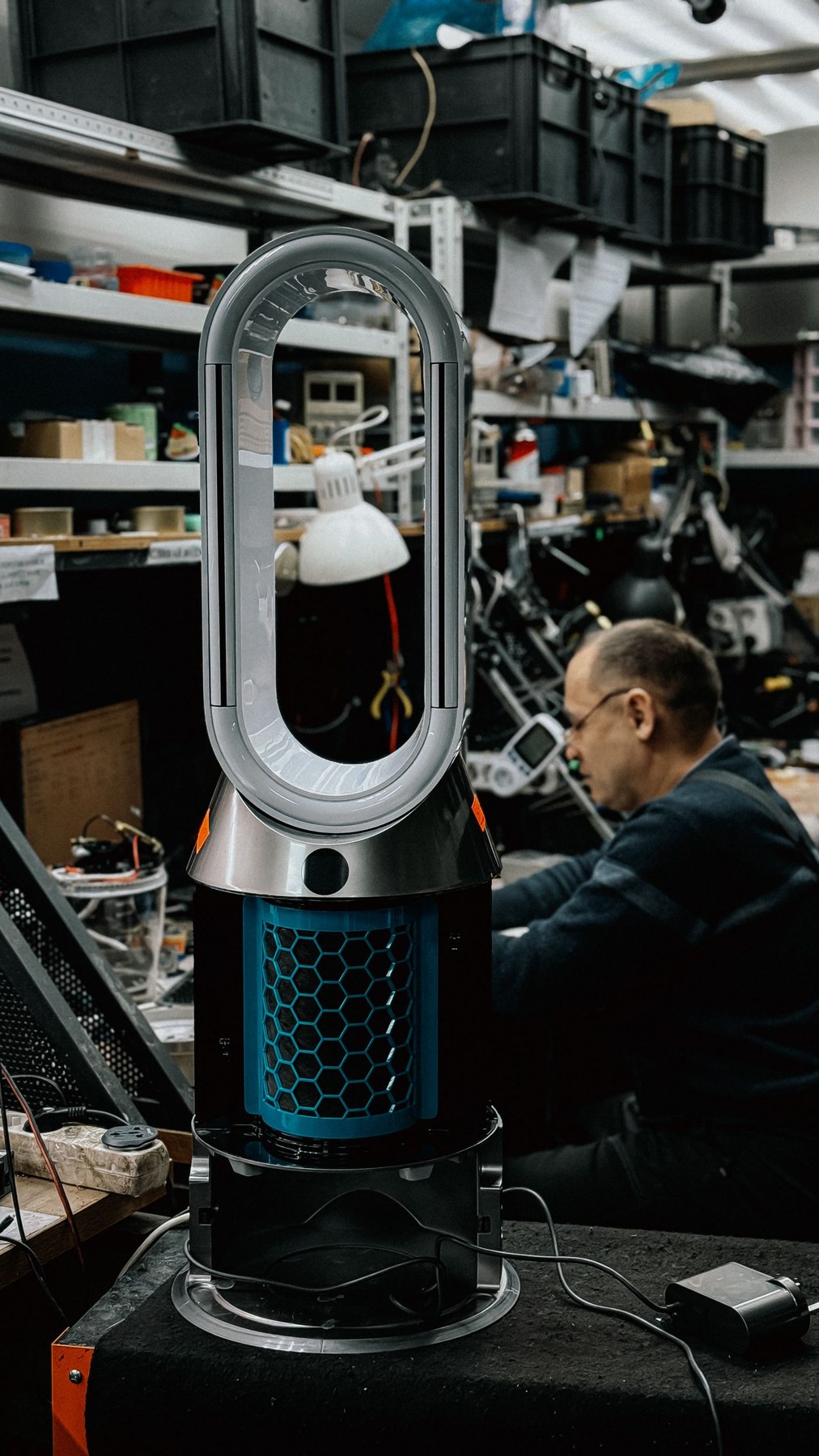
A particle filter and a gas-removal medium do not have identical functions. A portable air cleaner's particle performance does not establish that it removes every odour or volatile substance. Read the claims for the actual filter and room size. No portable cleaner should be treated as a replacement for required ventilation or a repair to an active leak.
Placement, fan speed and maintenance affect operation. A cleaner hidden behind a sofa may have obstructed airflow. A setting quiet enough to tolerate may move less air than the maximum setting used for a headline specification. Compare the conditions you can maintain, not only the largest number on the carton.
Avoid products intentionally generating ozone for use in occupied rooms. EPA guidance identifies ozone as a lung irritant. Claims about a fresh smell or sterilised room should not substitute for evidence of an appropriate air-cleaning function.
Do not let a display redefine the problem
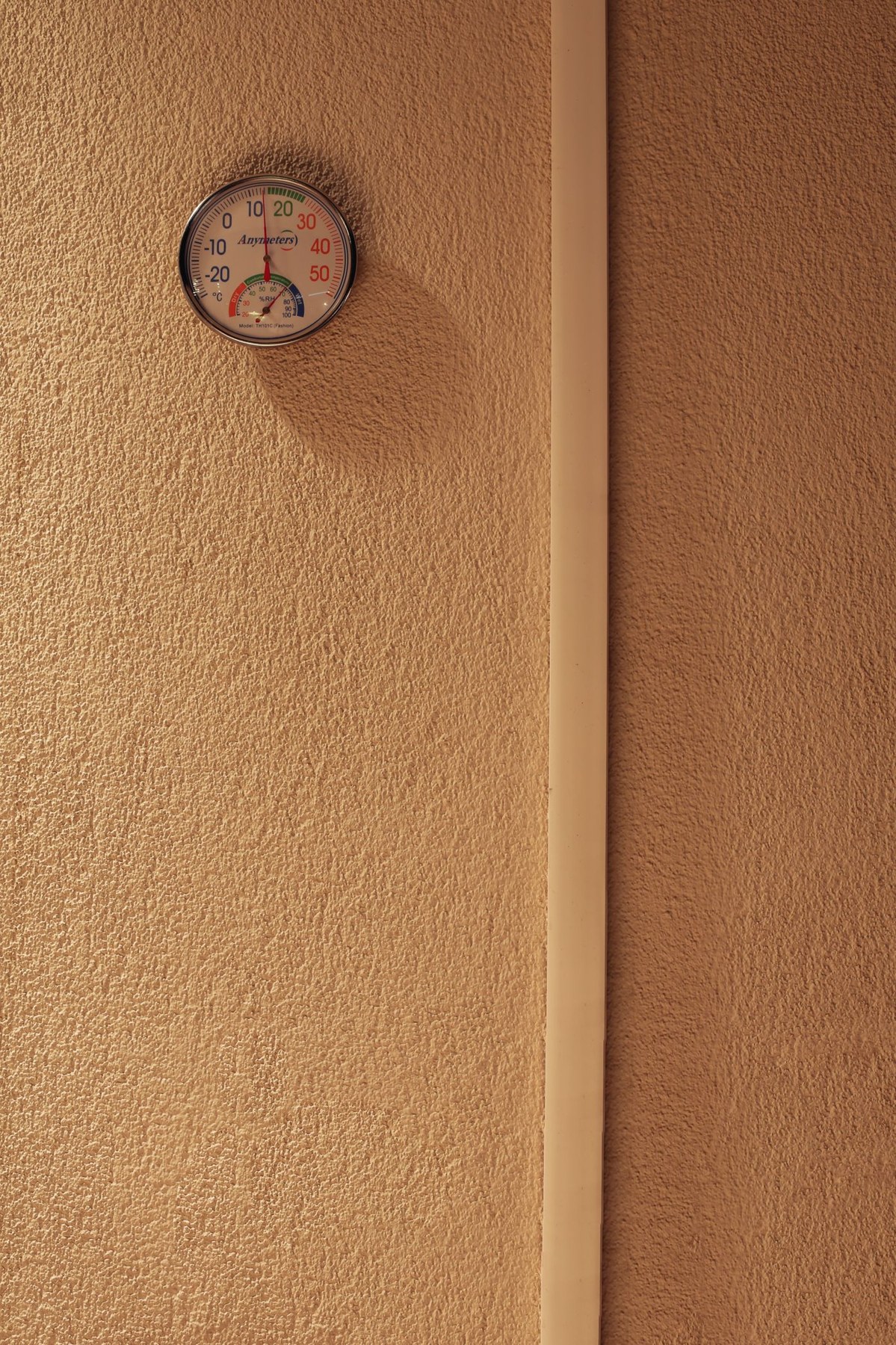
A consumer monitor may measure one or several indicators, each with its own limitations. Before buying one, ask what decision the reading would change. If the concern is a visible water leak, a generic air-quality score will not locate or repair it. If the issue occurs only during a particular activity, a record of that activity and the ventilation arrangement may be more useful than watching an unexplained colour change.
Keep safety devices with specific functions separate from optional monitoring. A portable purifier or a general air-quality display is not a replacement for required smoke or carbon-monoxide alarms. Follow the installation and maintenance guidance for those devices. One reassuring number should never be used to ignore an alarm, a fuel-appliance problem or a clear building defect.
Work through one concrete example
Suppose cooking leaves a lingering smell in a living area. First check the cooking method, extraction route and maintenance of the hood. Consider whether smoke is being produced unnecessarily. Then assess ventilation when outdoor conditions permit. Only after those questions does it make sense to compare a supplementary cleaner for the particles or gases of concern.
For a damp bedroom, the sequence is different: investigate the moisture source and building condition. A cleaner may capture some airborne particles but cannot repair a leak or dry a hidden wet wall. Buying a larger filter without addressing the cause can leave the original problem untouched.
If occupants have persistent symptoms or a specific health concern, seek appropriate medical or environmental advice. A consumer air-quality display is not a medical diagnosis, and a lower number on one sensor is not proof that all relevant pollutants have been removed. Keep the household action tied to the problem it can actually address.