Using a trigger spray without spraying the whole room
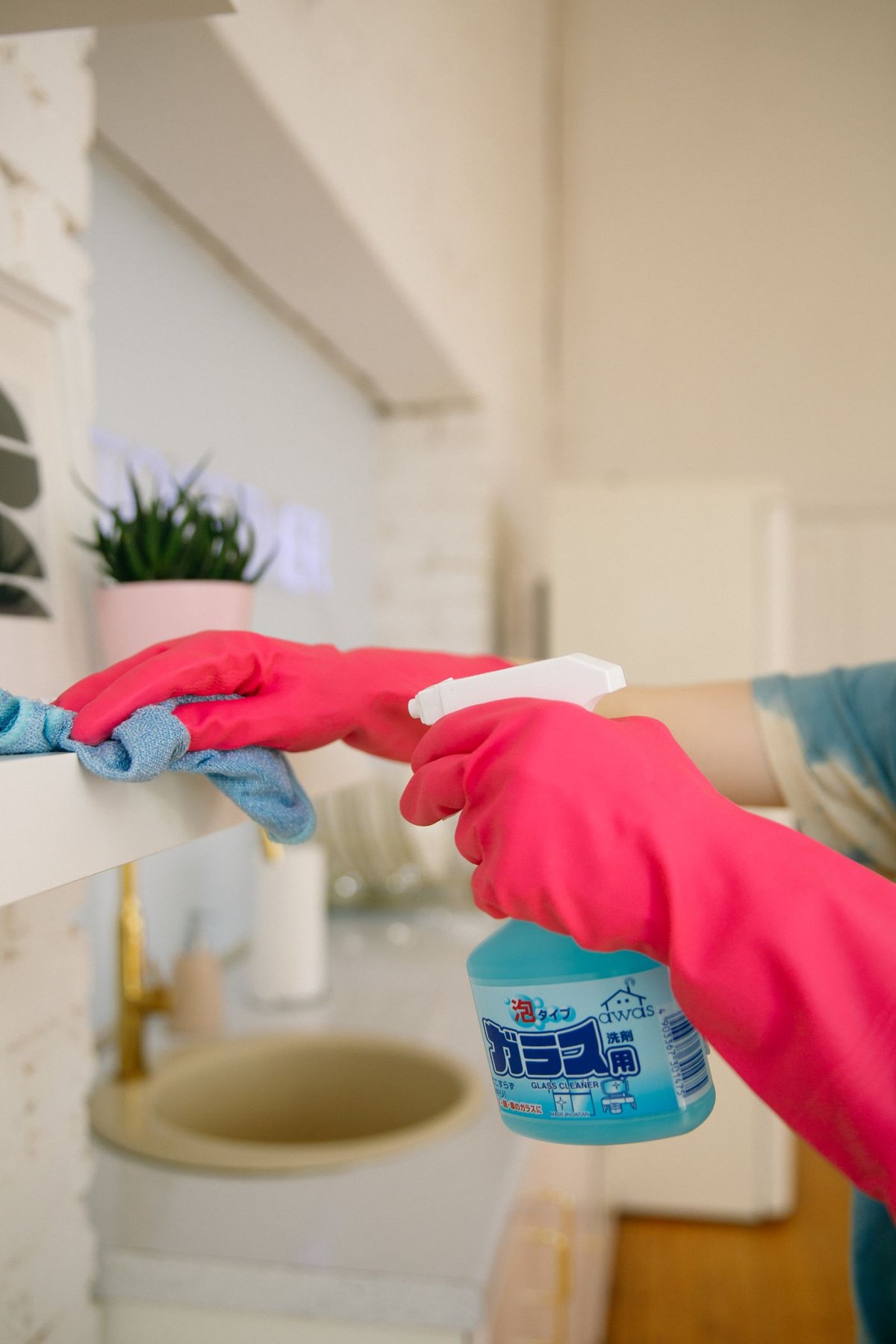
A trigger spray is a way to place a product where it is needed. It is not an instruction to fill the surrounding air with mist.
Check where the spray should land
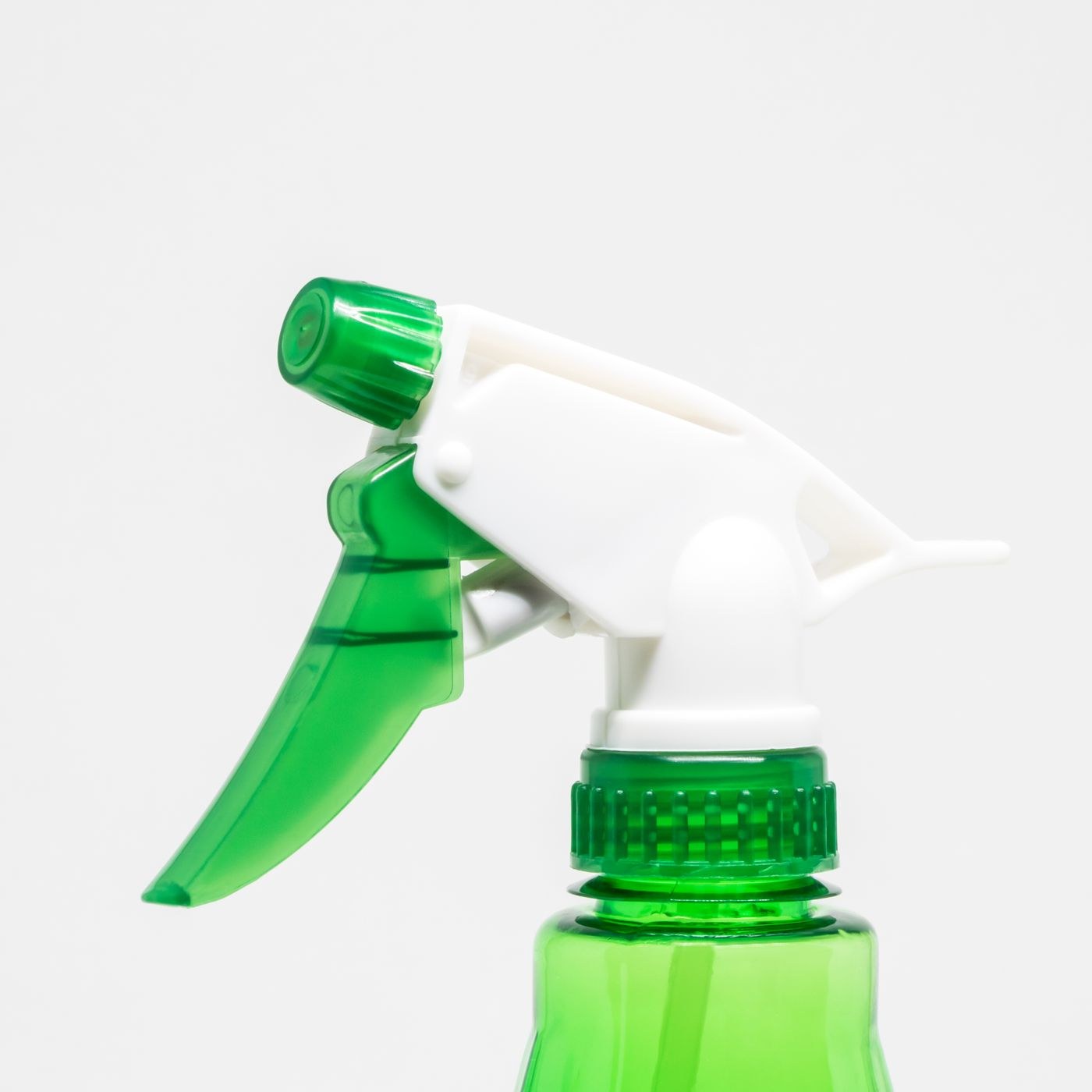
Read whether the product is applied directly to a surface or to a cloth. Follow any distance, quantity and contact instructions. Do not assume the same method works for every trigger bottle; a glass cleaner and a disinfectant may have different requirements.
Move objects that should not receive the product, including food, toothbrushes and toiletries. Consider nearby surfaces as well as the target. A product suitable for a tile may be unsuitable for the metal fitting or stone ledge next to it.
Control the area you are treating
Aim at the intended surface and avoid unnecessary repeated spraying. Keep the trigger away from the face and do not spray towards other people or pets. Check ventilation requirements before starting, especially in a small enclosed bathroom.
If the label permits application to a cloth, that can help target a small area. It is not a universal alternative for a disinfectant that needs a particular amount or application method to achieve its claim. The directions for the result you want still control the process.
A fine mist can spread beyond what you can easily see. Do not use smell as a measure of cleaning coverage or assume a fragrance-free product has no ventilation requirements. An electric fan aimed at the work can also move spray elsewhere rather than solve the problem.
Finish without leaving a new hazard
Follow the required wiping, rinsing or drying method and keep the surface out of use for the stated period. If the product is a disinfectant, do not wipe it dry before its contact time is complete. If it is an ordinary cleaner, do not invent a disinfecting effect from leaving it longer.
Close or lock the trigger as designed and store the bottle securely. A trigger lock is not a substitute for keeping chemicals away from children. Do not refill the bottle with a different product while leaving the original directions attached.
If you find the spray format difficult to control, look for a suitable alternative with clear instructions, such as a compatible ready-to-use liquid or wipe for that task. Choose based on the actual job and handling needs rather than treating spraying as essential to cleanliness.