Preparing a room for painting and airing afterwards
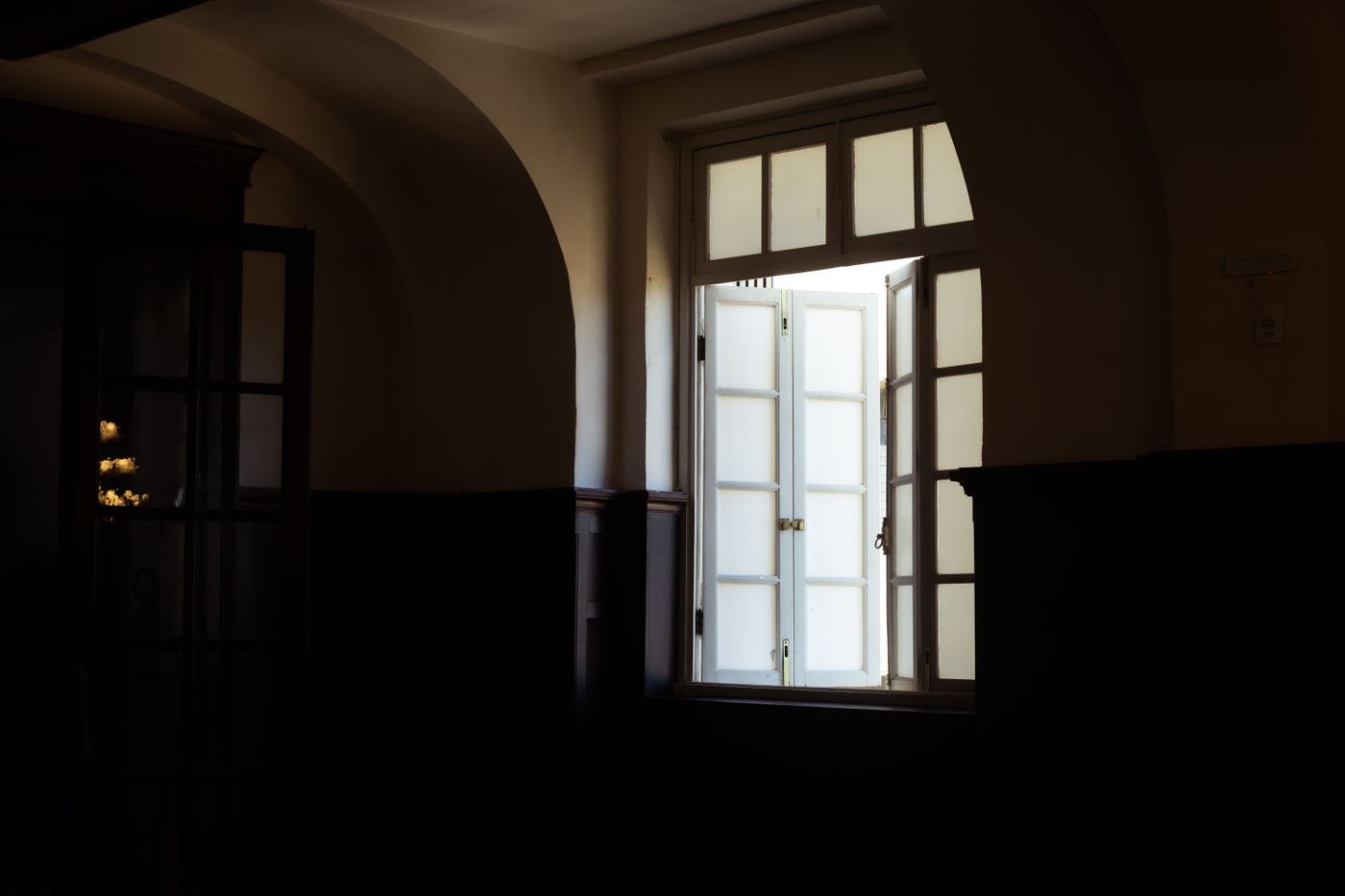
Preparing the room includes deciding how it will be ventilated and when it can return to normal use. Those decisions belong before the lid comes off the paint.
Check the surface before disturbing it
Read the paint system's preparation instructions and assess whether the existing surface is known. Old coatings and building materials may need professional assessment before sanding, scraping or drilling. Do not treat a dust mask and an open window as sufficient control for an unidentified renovation hazard.
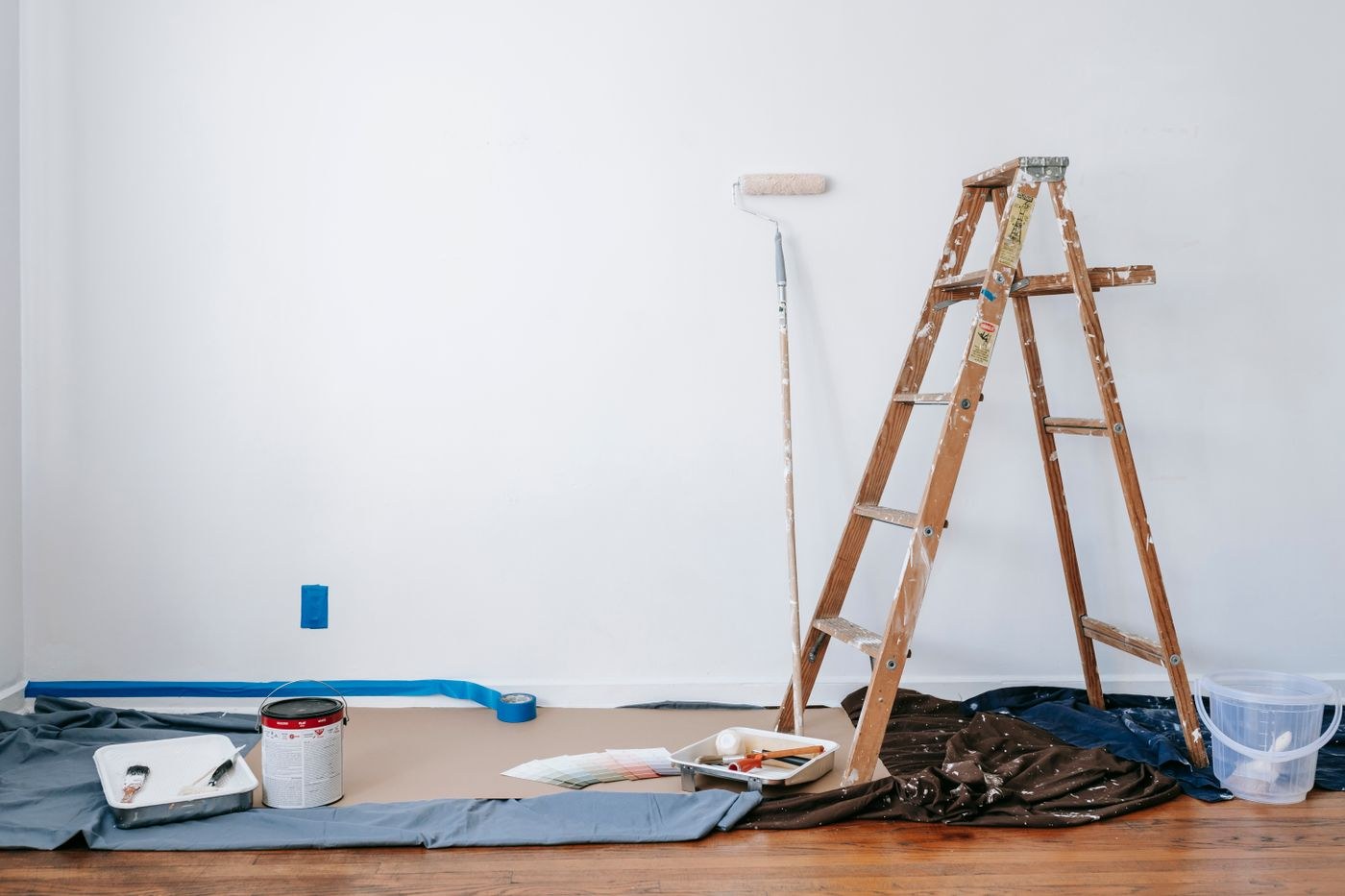
Move or cover belongings so the work area can be cleaned without spreading dust and splashes. Keep children, pets and other occupants away from the work zone as appropriate. Plan a clear route to the door and avoid placing tools or paint containers where they create a trip hazard during ventilation or cleanup.
Arrange airflow and product handling
Follow the paint's ventilation and application conditions. Where windows can be opened safely and outdoor air is suitable, plan how fresh air will enter and stale air will leave. A fan circulating air inside the room is not the same as extraction. Avoid directing contaminated air into another occupied room.
Keep containers closed when not in use and use the quantity needed for the current stage. Do not mix leftover products to create a new paint unless the manufacturer explicitly supports it. Store supplies away from heat and food, retaining the labels. If the product requires particular protective equipment, make that part of preparation rather than an afterthought.
A low-odour or low-VOC statement does not cancel the instructions. Read the primer, filler and topcoat information separately. Products used together can have different drying and ventilation requirements, and the longest relevant restriction may determine when the next step is sensible.
Distinguish dry from ready for normal use
Follow the stated drying, recoating and curing guidance. A wall that no longer feels wet is not necessarily ready for washing, furniture placed tightly against it or full room occupancy. Ask the manufacturer about unclear room-use advice instead of relying on an arbitrary number of hours from another product.
Continue ventilation as directed and allow coverings and tools to dry or be cleaned in the appropriate place. Dispose of residues through the local route; do not wash unwanted paint into a drain simply to clear the room. Keep a record of the products and dates used.
If someone experiences symptoms during the work, leave the affected area and seek advice appropriate to the severity and product involved. Do not continue working just to finish the coat. Planning time and space for the job makes it easier to follow the directions without rushing the room back into use.