Pet bowls and feeding areas: choosing a cleaning routine
Pet bowls need an ordinary cleaning routine and, in some circumstances, additional disinfection. The method should suit both the item and the product used.
Set the frequency around the bowl’s use
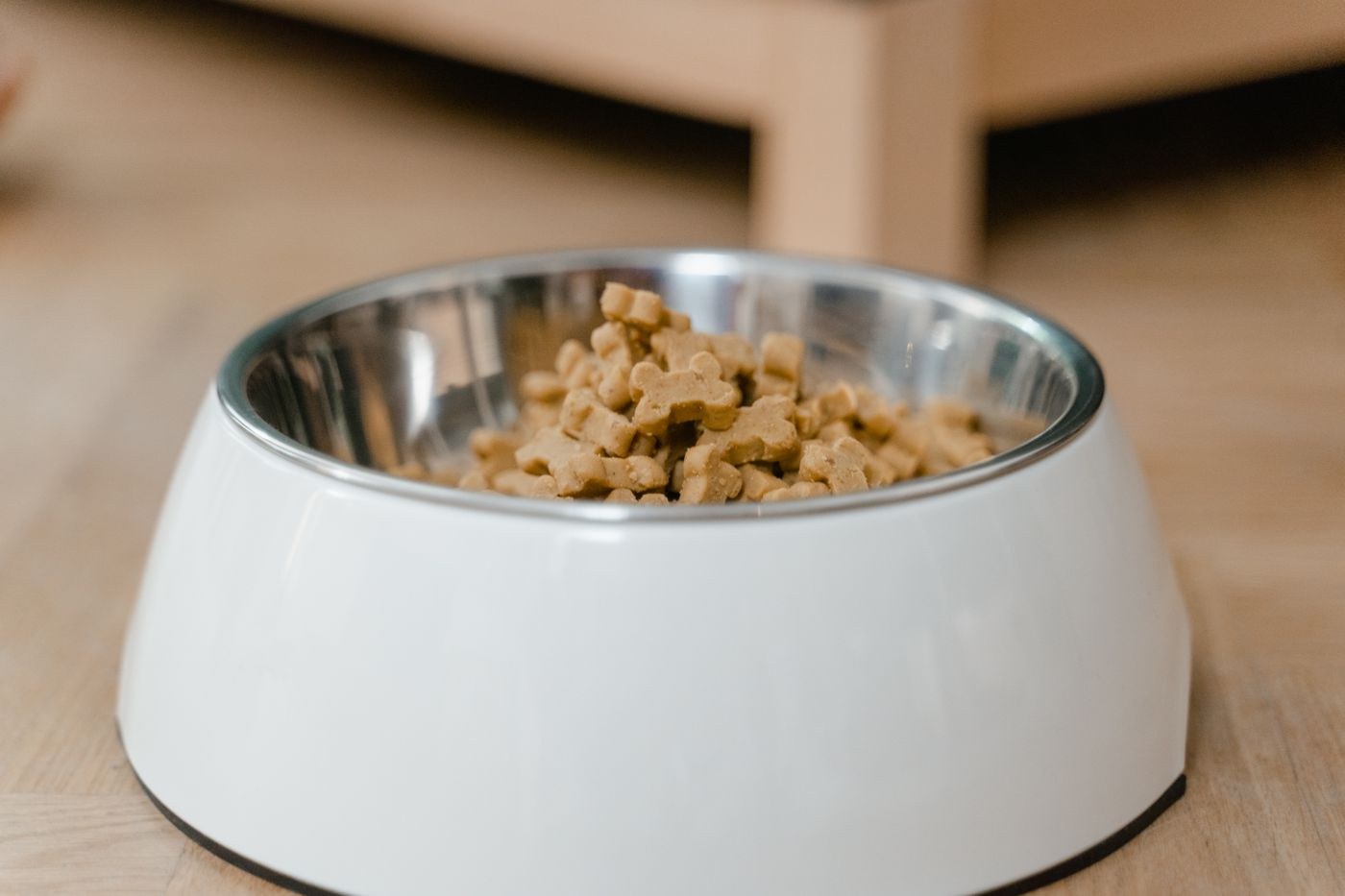
CDC advises cleaning wet-food bowls after each use and dry-food and water bowls daily. More attention may be needed when an item is visibly dirty or when a pet or person in the household has particular health needs. Discuss special situations with the relevant healthcare or veterinary professional.
Keep the feeding area easy to access so the routine is manageable. A decorative stand that traps food around hidden edges may require more work than a simpler design. Check whether bowls, mats and stands have different care instructions.
Choose a method the item permits
Read whether the bowl is dishwasher-safe and whether any removable seals or bases need separate treatment. If washing by hand, use a suitable method, remove residue and rinse as instructed. Dry the item appropriately before returning it to use.
Cleaning and disinfecting are different processes. If disinfection is appropriate, choose a product with directions for that use and material, and follow its contact time and rinsing requirements. Do not infer suitability from a pet-friendly slogan alone.
Keep the animal away during treatment
Do not let a pet lick wet cleaner or drink from a bowl being treated. Keep products and used solutions out of reach and complete the required rinse and drying before returning the item. Never apply household disinfectant directly to an animal.
Do not add fragrance oils to the process to make the feeding area smell better. A clean area does not need a strong scent, and an improvised mixture has no established instructions. Use only one appropriate product as directed.
Compare bowl designs before buying
A bowl with a removable rubber base can be stable but may add a seam to clean. An automatic feeder can add trays, lids and mechanisms that need different methods. Ask whether all food-contact parts are removable and how they are dried before reassembly.
Measure the opening and check whether your normal cleaning tool can reach the corners. A material advertised as premium does not compensate for inaccessible crevices or missing care instructions. If the product uses replaceable seals, check availability before assuming the entire feeder can be maintained for years.
Keep a separate note for any veterinary feeding instructions. Bowl hygiene supports the feeding routine but does not determine the appropriate food, portion or medical diet. When illness changes the cleaning requirements, ask the veterinarian which parts of the routine need adjustment.
Keep feeding and cleaning utensils distinguishable
A scoop intended for dry food should not become a measuring tool for cleaner. Store cleaning products away from the food supply and keep the bowl-cleaning equipment identifiable. If several people feed the pet, agree who cleans the bowls and when. A written division of tasks can prevent the assumption that another person has already washed them.
Maintain the surrounding routine
Clean tools and the surface where bowls are washed according to the relevant guidance. Keep pet-food storage and scoops clean and identifiable. If a bowl has cracks or damage that makes cleaning difficult, check replacement advice rather than relying on stronger chemicals.
For a new purchase, consider whether your hand or a suitable brush can reach every part and whether the manufacturer provides clear care instructions. A material label alone does not tell you how easy the whole bowl, base and stand will be to maintain.