Mascara: hygiene, storage and replacement
Mascara is used close to the eye and repeatedly exposed to its applicator. Its age and handling deserve more attention than the amount left in the tube.
Keep a dated personal tube
Mark when you purchase and open mascara and follow the manufacturer’s replacement guidance. Eye cosmetics often have shorter useful lives than other makeup. A nearly full tube is not evidence that it remains suitable, especially if it has spent a long time in a warm bag or vehicle.
Buy one you expect to use within the recommended period rather than several open alternatives. If you want different colours or brush styles, recognise that each tube has its own handling history. The fact that one was used only occasionally does not undo its age.
Do not revive it
Dried mascara should not be restored with water, saliva or another cosmetic. This changes the product and may introduce contamination. A texture that has become difficult to apply is a reason to replace it, not a challenge to solve with a homemade mixture.
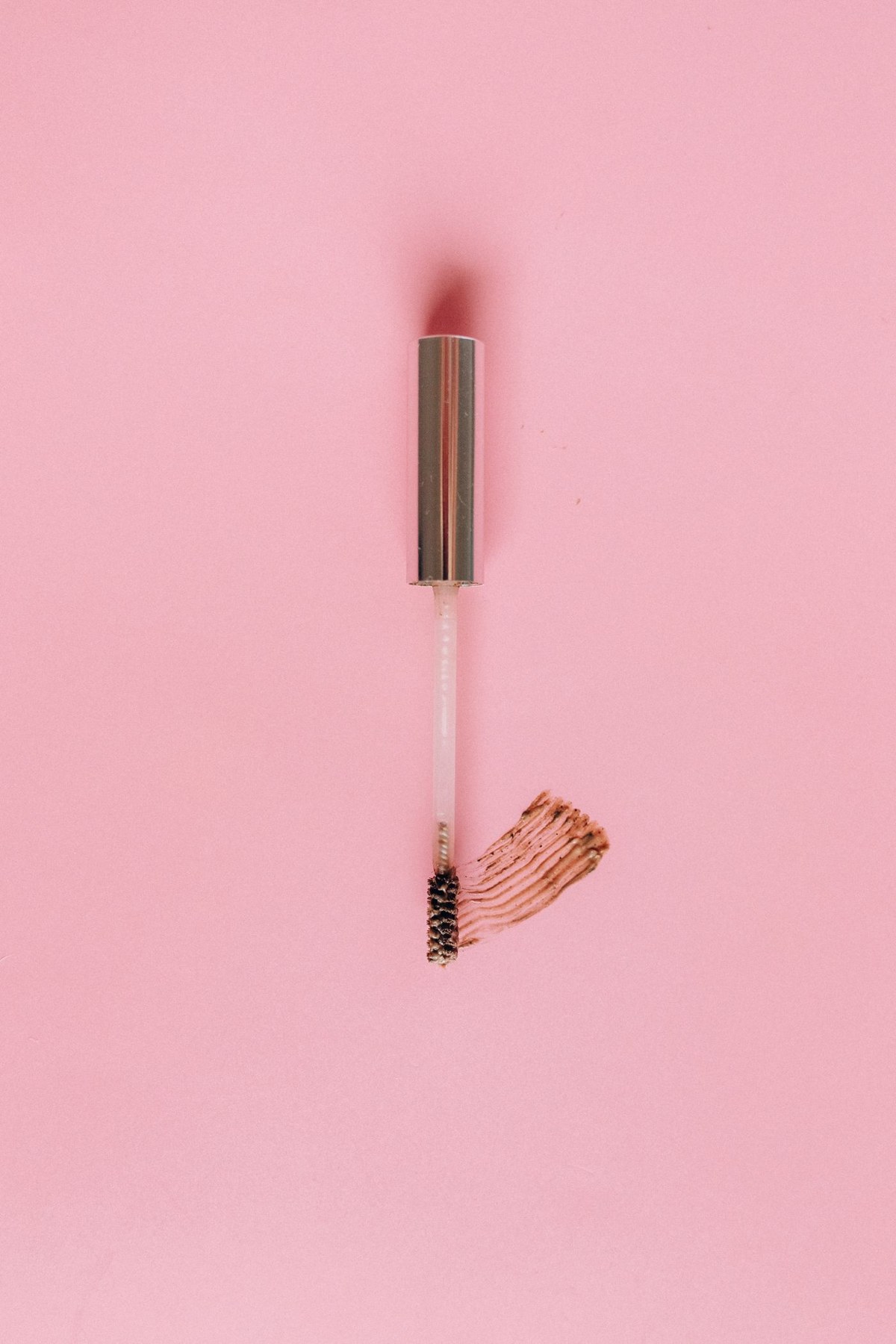
Keep the wand and closure clean according to the product’s directions. Avoid leaving the tube open while doing the rest of your makeup. Do not share it, and be cautious about retail testers: repeatedly used applicators create a different situation from a new personal product.
Apply mascara while still and with enough light to see. A moving vehicle or a rushed application while walking creates a physical injury risk that has nothing to do with the ingredient list.
Know when the routine should stop
FDA advises avoiding eye cosmetics during an eye infection and discarding products used when the infection occurred. If a product causes irritation, stop using it; persistent symptoms need medical advice. Keep the name and batch information if you need to report a problem.
Do not substitute products designed for another body area. A lip product or craft pigment is not suitable for the eye simply because its colour is appealing. The intended area of use is part of the product information.
For travel, choose a tube that closes reliably and store it away from excessive heat. If you discover a cap has been loose in a dirty bag, do not treat wiping the outside as proof that the contents are unaffected. When its condition or history is doubtful, replacing a small eye-area product is a more straightforward decision than trying to salvage it.