Keeping makeup brushes clean and dry
Brush cleaning needs both residue removal and a drying arrangement that protects the brush. A wet brush returned to a closed pouch has not completed the job.
Set up before wetting the brushes
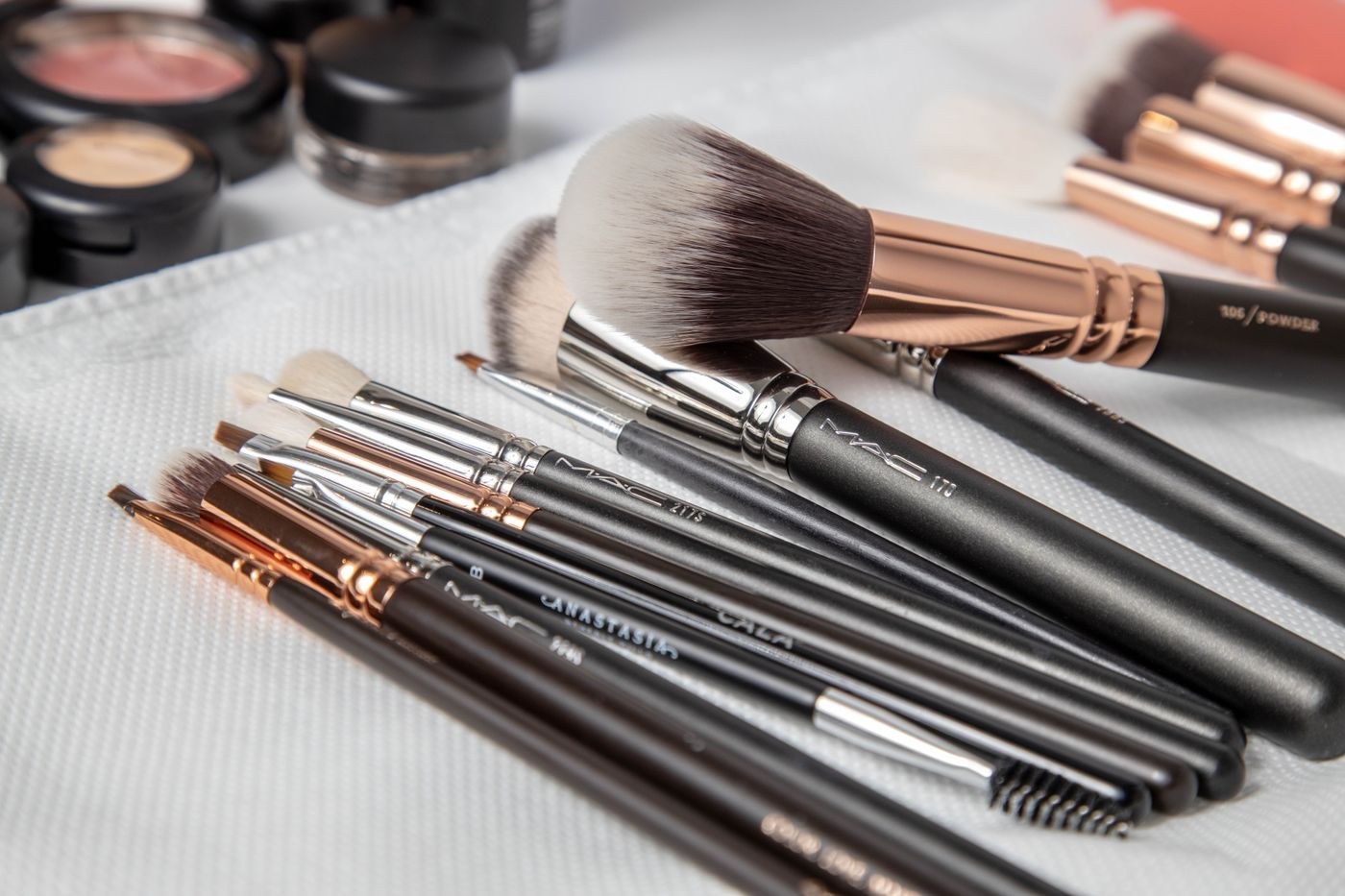
Gather the brushes, a suitable cleanser and a clean drying surface. Check the brush maker’s instructions, especially for unusual fibres, glued components or handles that should not be soaked. Make room for drying before you begin, rather than discovering afterwards that the only available space is a crowded bathroom cup.
Separate brushes that have loose ferrules, damaged handles or persistent residue. Cleaning may not repair damage that makes the brush difficult to use or dry. If several people share a bathroom, keep each person’s tools identifiable rather than pooling them together.
Clean the working end
The American Academy of Dermatology recommends washing makeup brushes regularly and keeping water focused on the bristle tips rather than soaking the whole head and handle. Rinse and clean until the remaining product is removed, following the brush’s care directions. Avoid aggressive pulling that distorts the shape.
A quick spray of a product marketed for brushes may not perform the same job as washing. Check what it is intended to do and whether it requires further cleaning. Do not assume that a pleasant scent or a fast-drying liquid demonstrates disinfection.
Use only a cleaner suitable for the tool. A household surface disinfectant is not an interchangeable brush cleanser, particularly for something that will be used near the eyes.
Let the shape and water drain sensibly
After gently removing excess water, arrange the brush to dry as its maker recommends. AAD guidance describes flat drying with the tips beyond the edge of the surface, rather than upright storage while wet. Keep the drying area clean and somewhere the brushes will not be knocked onto the floor.
Allow enough time before returning them to a closed case. If you routinely wash brushes immediately before leaving home, move the task to a different part of the week. A second clean brush can be useful for a frequently used task, but buying a large duplicate set is not the only solution.
Do not share brushes. If a tool has been used during an infection or there are concerns about contamination, get appropriate advice rather than assuming an ordinary cosmetic cleaning routine resolves it. Record a manageable cleaning habit based on actual use so it does not depend on noticing visible dirt.