Keeping cosmetics in their original containers
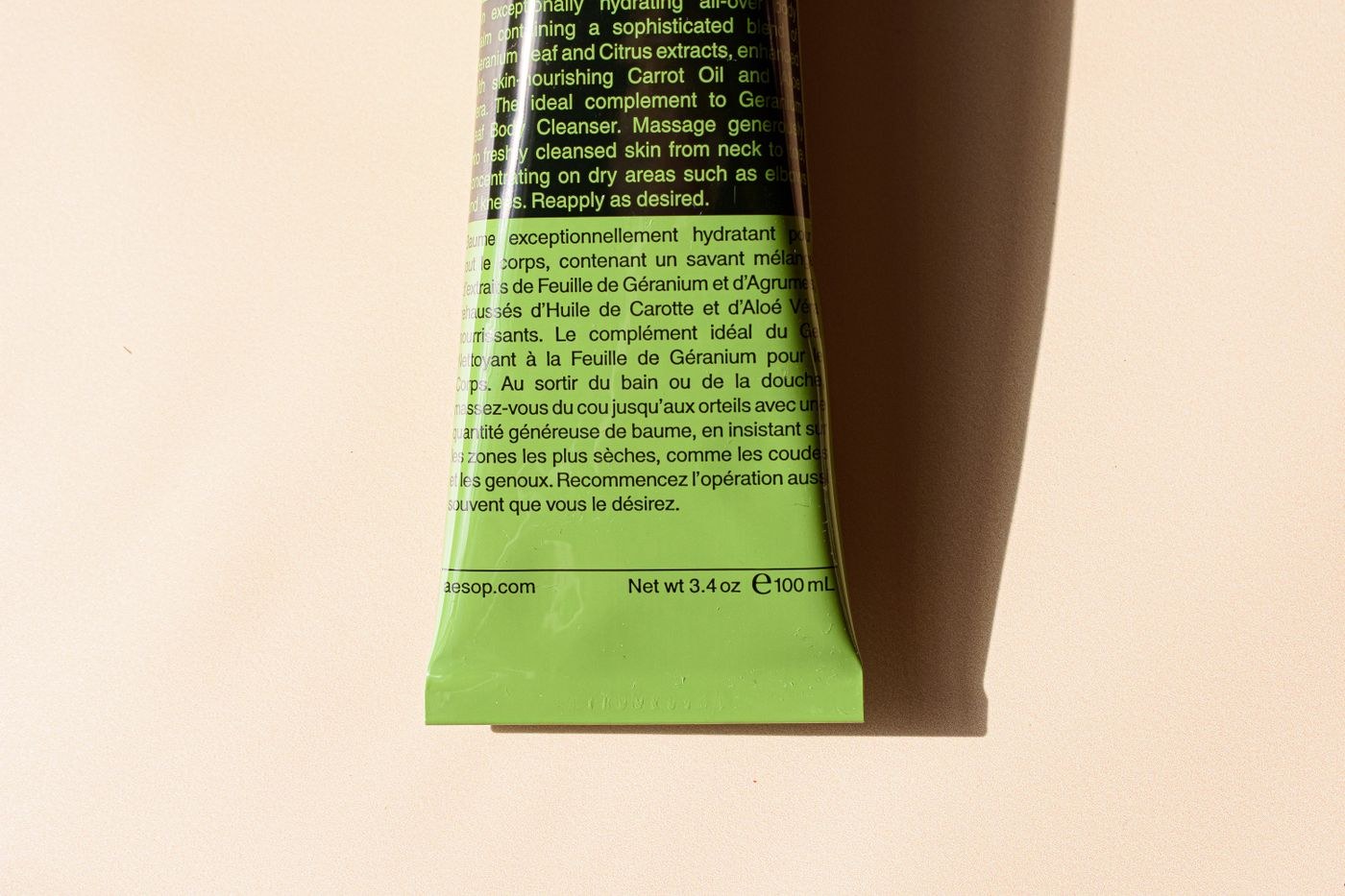
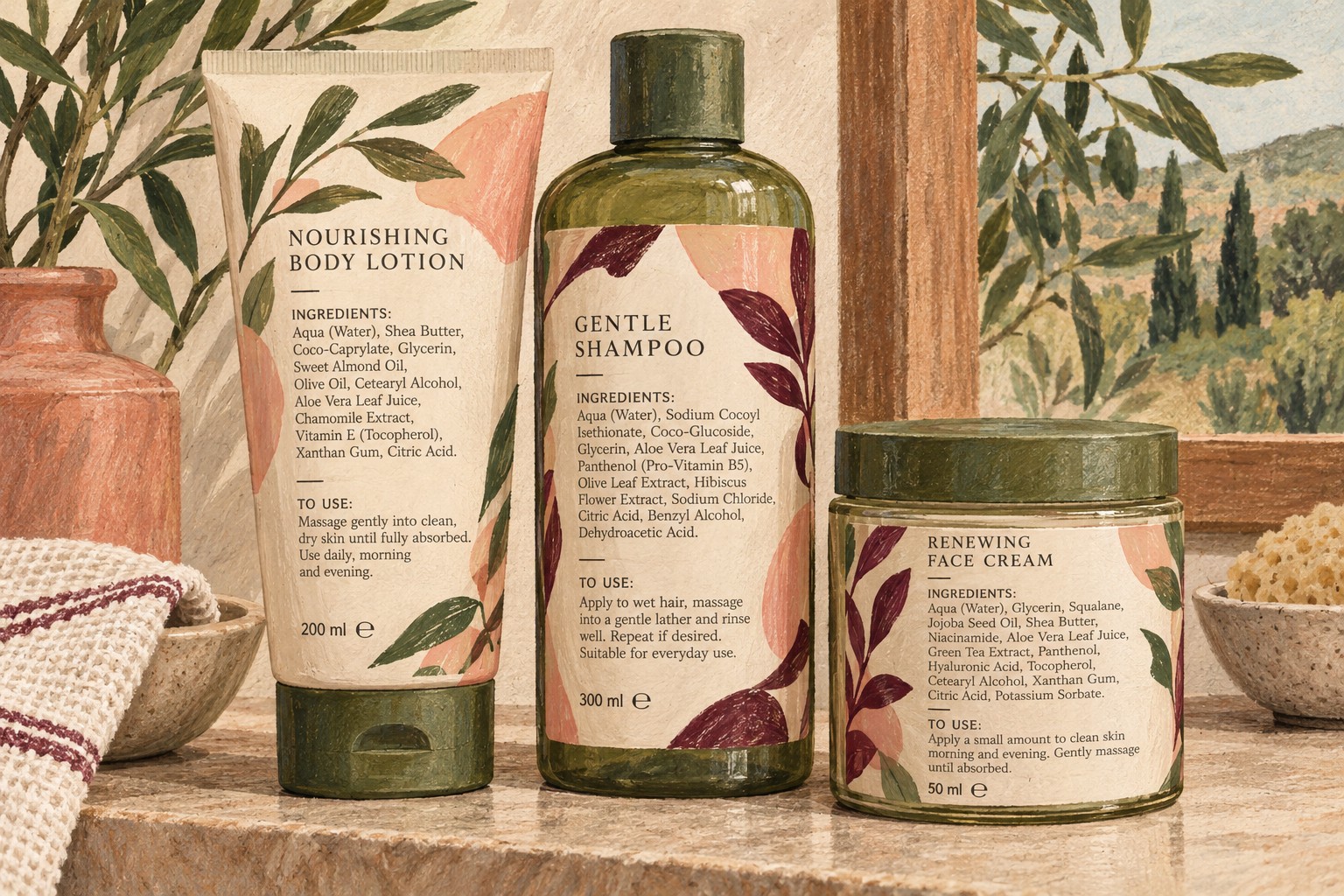
The original pack links a cosmetic to its ingredients, instructions and batch information. Replacing it with a decorative container can break that link.
Packaging is more than presentation
A pump, tube or jar is part of the product supplied by the manufacturer. Transferring the contents may expose it to a different material, a wider opening or residues from an earlier product. A container that looks clean is not automatically suitable for every cosmetic.
Some products have storage requirements that are easy to lose when decanted. A dark bottle, a tightly closing cap or a particular dispenser may serve a purpose beyond appearance. If the brand does not describe a transfer method, keeping the product in its original pack avoids having to guess.
Keep the useful information readable
Do not cover the product name, warnings, date or batch code with a new label. If an outer carton carries information absent from the bottle, save a clear photograph before recycling it. A note of the opening date can sit beside the original information rather than replacing it.
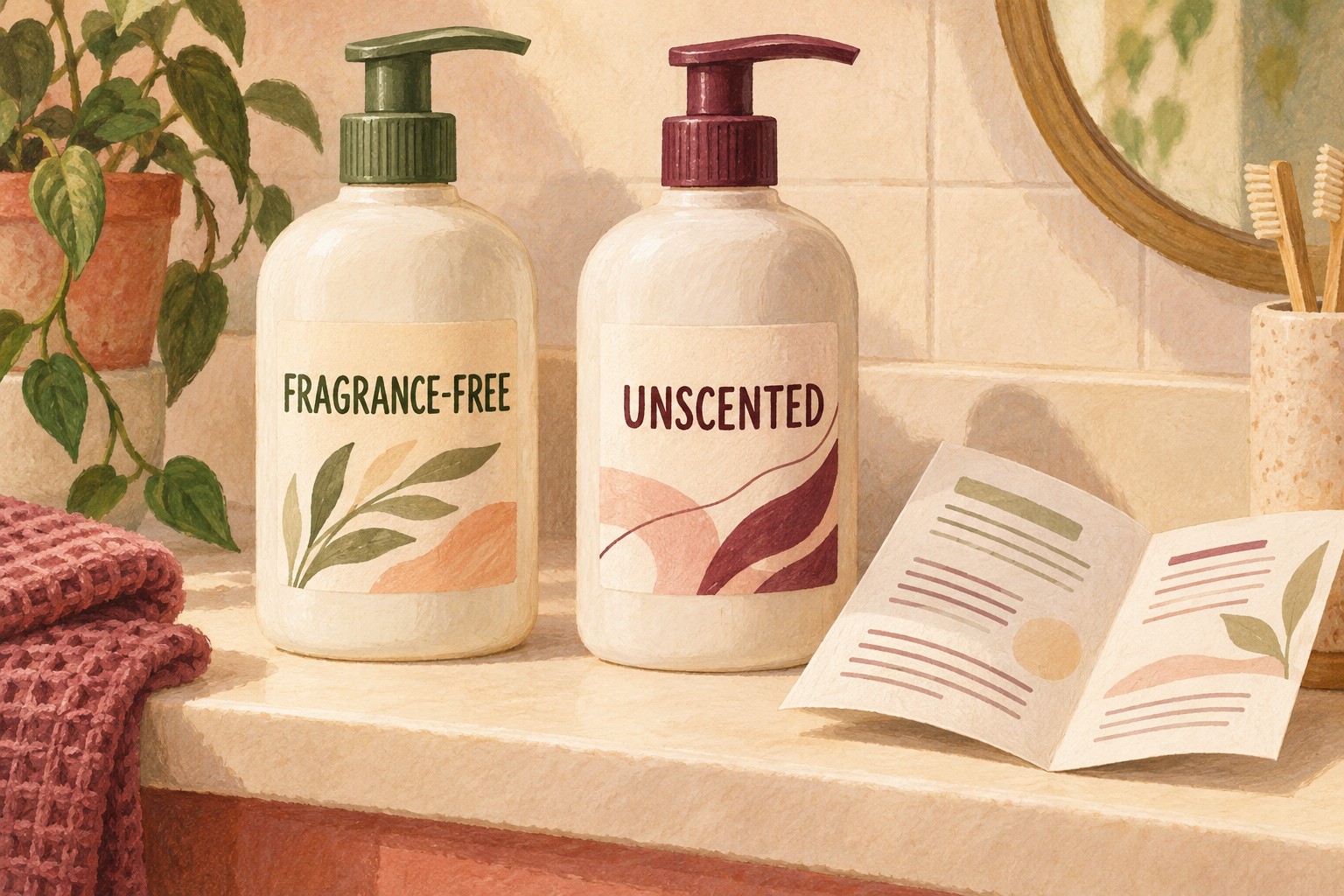
In a shared bathroom, recognisable labels also prevent confusion. A face exfoliant, body lotion and hand wash can look remarkably similar in matching neutral dispensers. Misidentification becomes more likely when every container says only “daily” or “wash”.
If someone asks what was used after a reaction, a precise product identity and batch are useful. A memory of the brand colour or a list of favourite ingredients is much less helpful.
Keep attractive storage separate from the contents
You can organise original containers in a tray or cupboard without decanting them. Choose a holder that leaves labels readable and does not trap moisture around the packs. This can meet the desire for a tidy bathroom while preserving product information.
If a bottle is difficult to recognise from above, add a small identification mark that does not cover warnings or dates. That is different from replacing the original label. In a shared space, a recognisable tube with a clear product name often prevents confusion better than several identical glass jars.
When a different size is needed
For travel, first consider a manufacturer-supplied small size or a refill system with instructions for the intended container. If transferring is explicitly permitted, keep enough identification and directions to use it correctly and avoid mixing old and new contents.
Do not add water to make a thick product pour more easily. Do not combine the last portions of several bottles because their colours look similar. A product that no longer fits your preferred dispenser is not a reason to modify its formula.
Keeping original packaging does not mean retaining every empty carton indefinitely. Save the information that remains necessary and dispose of clean packaging through the appropriate local route. The aim is traceability and correct use, not a permanent archive of boxes.