Dishwasher detergent: format and machine instructions
Dishwasher detergent needs to suit the machine, programme and load. Tablets, powders and gels are different formats, not a simple ranking of cleaning power.
Begin with the machine manual
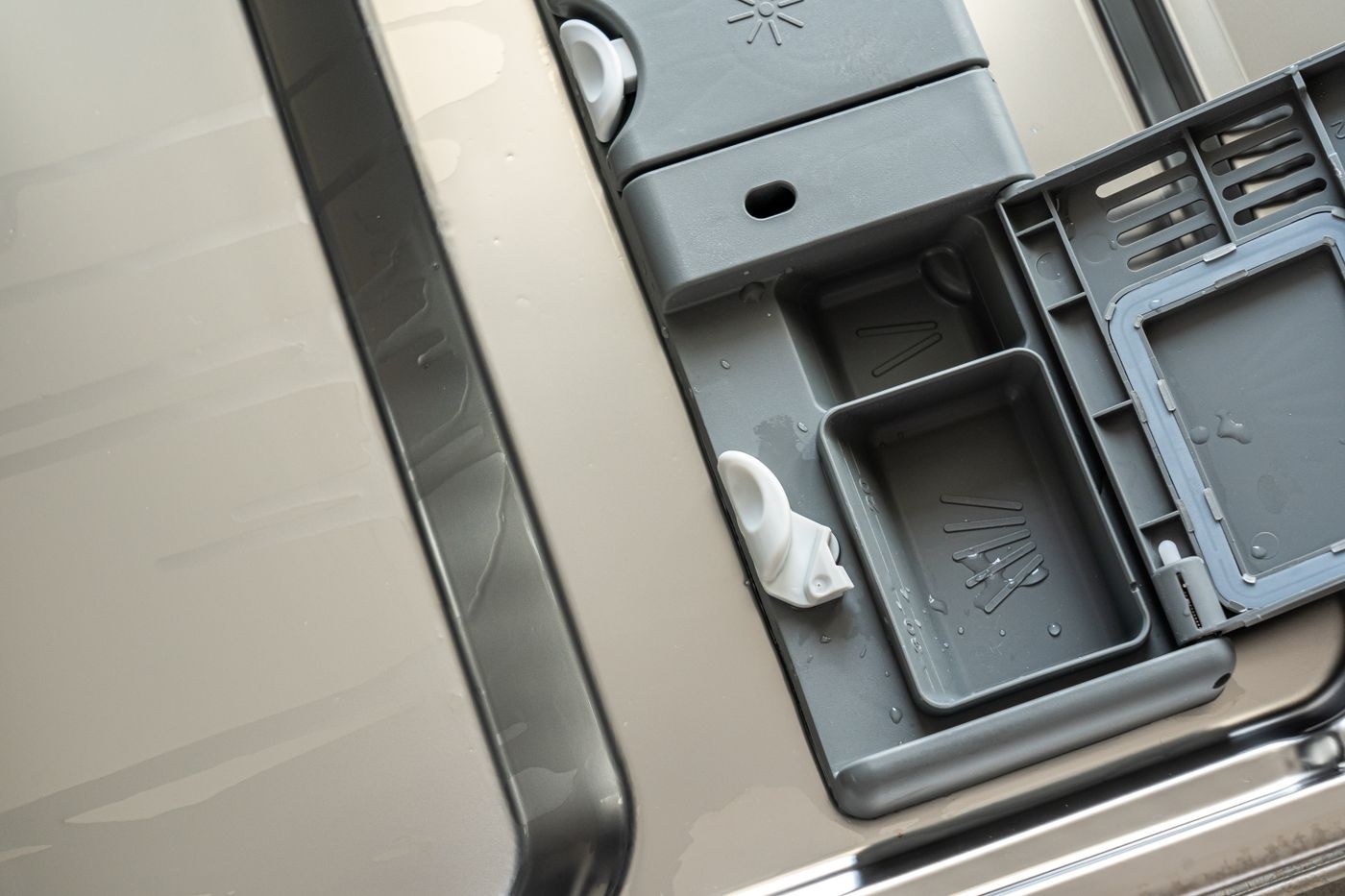
Find the instructions for detergent type, dispenser placement and any water-softening system. A combined tablet claim does not automatically remove the need to set hardness correctly or maintain salt and rinse aid where the appliance requires them.
Check the chosen programme. Short or low-temperature cycles may have specific detergent guidance, and an item that is dishwasher-safe may still need a particular placement. Do not assume that changing detergent will solve a blocked spray arm or an overloaded rack.
Handle the format correctly
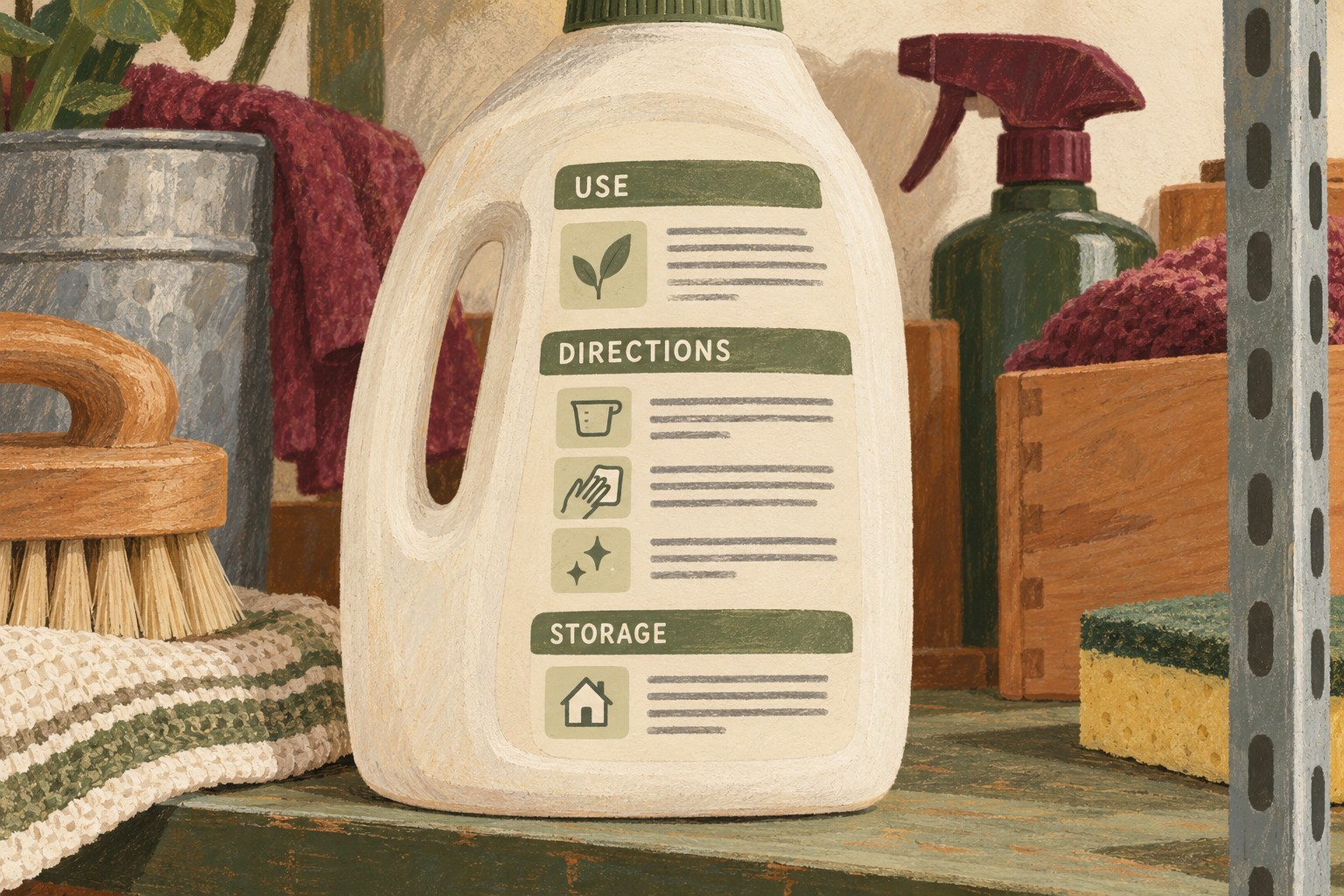
Read whether a tablet wrapper should be removed or left intact. Similar-looking coatings can have different instructions. Keep hands dry when handling products that require it, close the pack promptly and store it securely away from children and pets.
With powder or gel, use the stated dose and dispenser. More detergent is not a reliable way to compensate for poor loading. Never use ordinary hand dishwashing liquid as a substitute; its intended use and foam characteristics are different.
Do not split a tablet unless the manufacturer provides that option. A multi-compartment or layered format is not necessarily designed to be divided into equal functional portions.
Investigate a poor result
If a tablet remains partly dissolved, check the dispenser opening, whether an item obstructed it and the programme instructions before buying a stronger product. If dishes remain marked, distinguish food residue, water marks and damage. They are different problems.
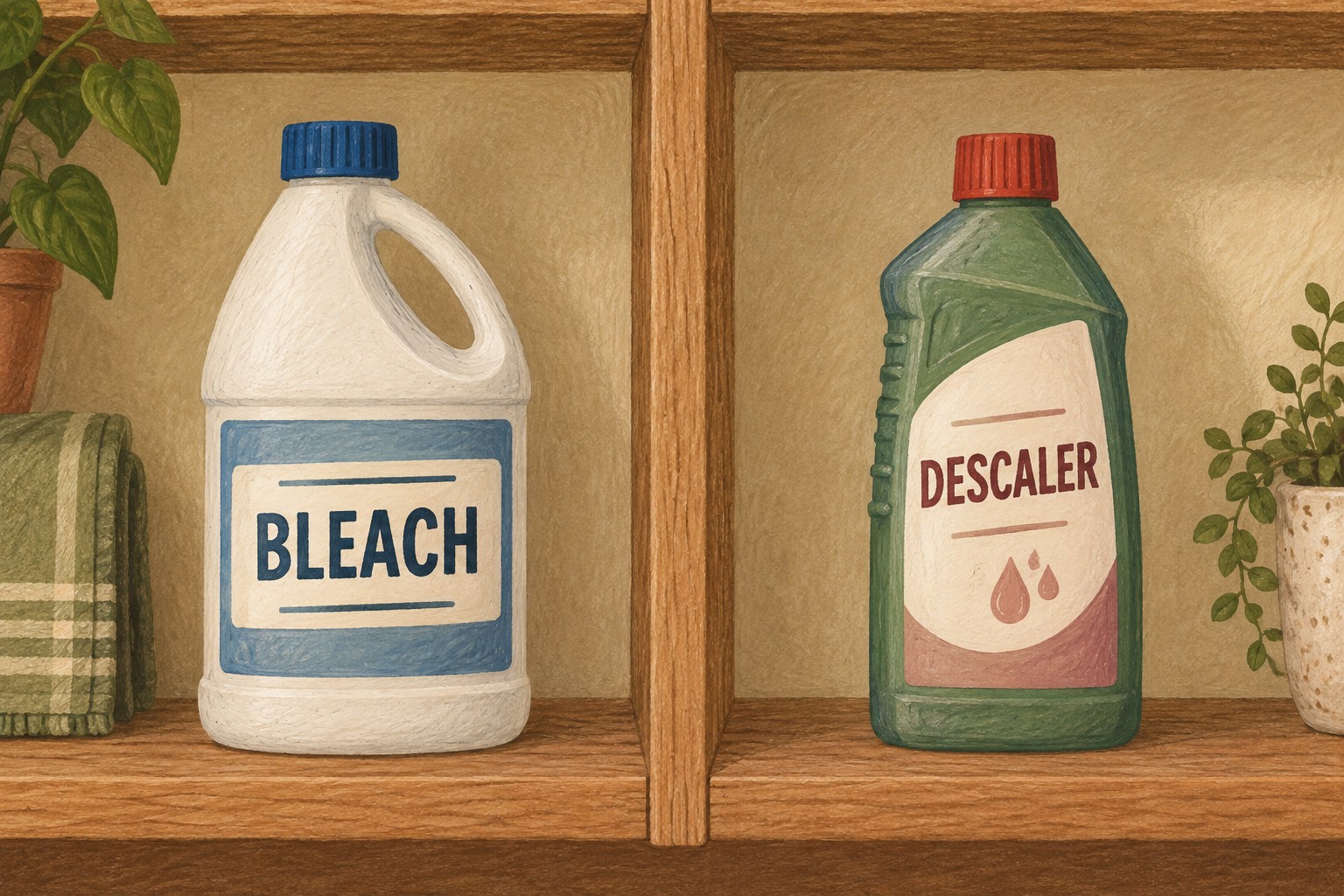
Clean filters and other user-serviceable parts according to the machine manual. Do not add vinegar, bleach or another cleaner to a detergent cycle unless the appliance and product instructions specifically provide that method. Household mixtures are not a troubleshooting shortcut.
A comparison based on your regular programme
Choose one normal load type and the programme you actually use. Compare whether each detergent format is permitted for that programme, how it is dosed and what supporting machine settings are required. A tablet marketed around a long hot programme may not answer your question about a short cycle.
If you use mostly small loads, check whether the format allows an appropriate dose under the instructions. Powder can offer a variable dose where the product permits it, while a packet may be fixed. This is a practical distinction rather than a claim that one format always cleans better.
Keep observations specific: remaining food in one location, an unopened dispenser, or marks on particular glasses. Those details help distinguish loading and machine issues from detergent performance. A general statement that a product is weak can lead to buying progressively stronger products without correcting the actual problem.
Keep detergent and appliance cleaner distinct
A product intended to clean the dishwasher itself is not necessarily a detergent for a normal load of dishes. Read whether it requires an empty machine and a particular programme. Store it so it cannot be confused with ordinary tablets. The word dishwasher on both packs identifies the appliance, not an interchangeable use.
Compare the routine cost
Count correctly completed loads, not merely tablets in a box. Include required supporting products and avoid buying a large pack until the format works with your machine. Keep the original packaging so that handling and emergency information remain available.
If product information online omits the directions, ask for the current pack. A claim such as all-in-one needs to be read alongside the machine requirements. It does not promise that every appliance, water supply and programme needs no further attention.