Damp dusting and keeping cloths clean
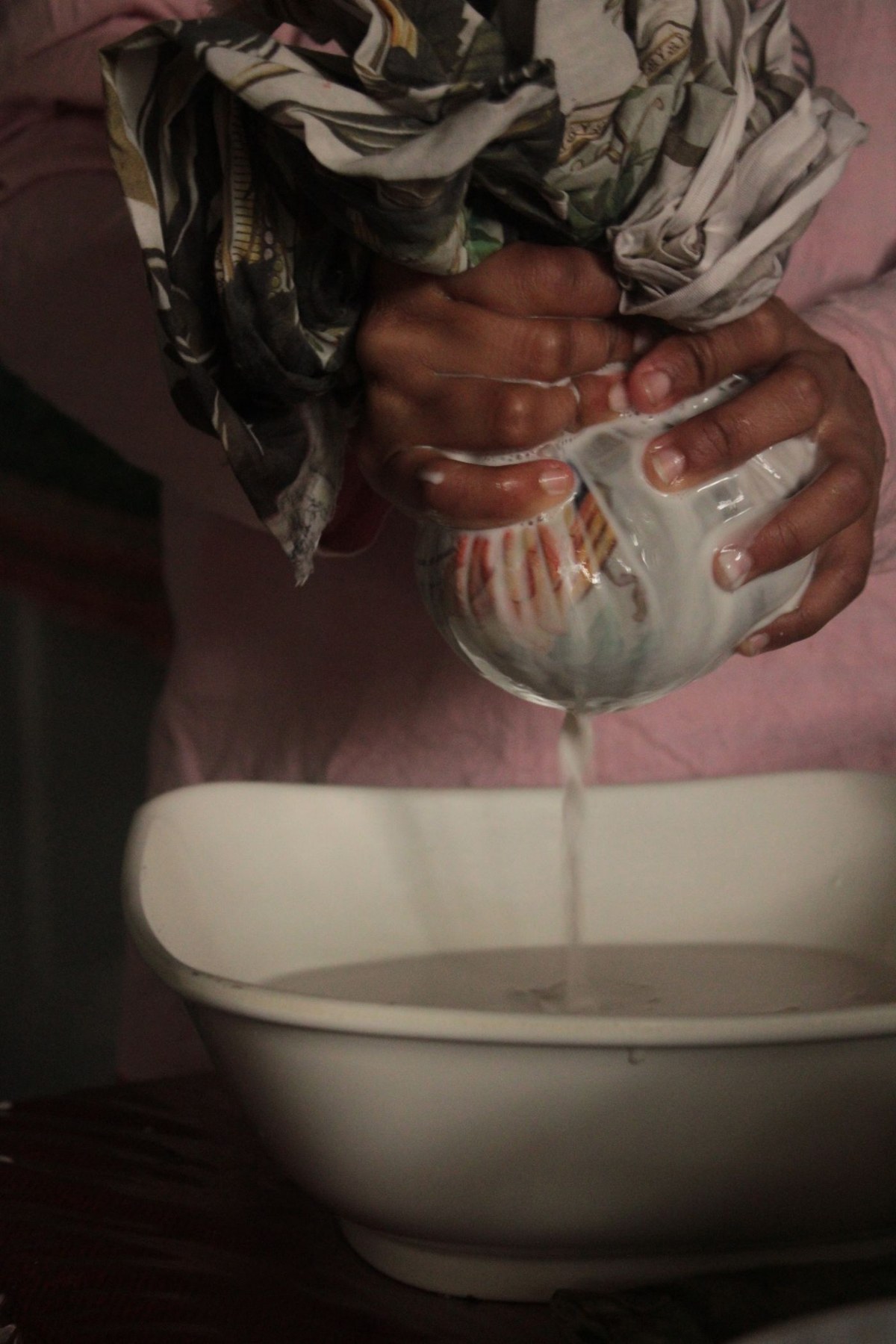
For ordinary household dust, a lightly damp cloth can collect material without needing a scented spray on every surface. The surface still determines the method.
Check what may be dampened
Read care instructions for wood finishes, screens, leather and other sensitive surfaces. Damp dusting means using an appropriately moistened cloth where permitted, not soaking furniture. Some objects require a dry method or a specific cleaning product. Do not spray liquid into electrical equipment or around sockets.
Remove loose objects carefully and work in small sections. Fold the cloth to expose a clean face as it becomes dirty. A cloth loaded with dust can redistribute material, so change or clean it rather than trying to finish a whole home with one small square.
Give cloths separate jobs
Keep dusting cloths separate from those used around toilets, raw food preparation or chemicals. A simple labelled storage place can be enough; elaborate colour coding is useful only if everyone remembers it. Wash cloths using a method suitable for their fabric and previous use, then dry them before storage.
Do not add a polish merely to produce a smell associated with cleaning. If a surface needs a particular care product, use the specified amount and method. A general multi-surface spray may be unsuitable for a waxed finish or an electronic screen. Check compatibility before applying it widely.
Work from accessible higher surfaces towards lower ones so you are not immediately dropping dust onto a finished area. Avoid climbing on unstable chairs to reach tall shelves. A suitable long-handled tool may be a better choice for an ordinary high surface, while difficult access may need help.
Know when the dust is not ordinary
Dust after sanding, building work or damage to old materials should not automatically be treated as routine housekeeping. Stop and ask what the material is and what cleanup method is required. A damp cloth is not a complete control plan for suspected asbestos or lead contamination.
If dust repeatedly accumulates from a damaged product or building component, investigate the source rather than only increasing cleaning frequency. Keep a note of where it appears and whether it follows a particular activity. For normal household dust, choose a routine that leaves cloths clean and dry and surfaces undamaged, without adding unnecessary products to every pass.