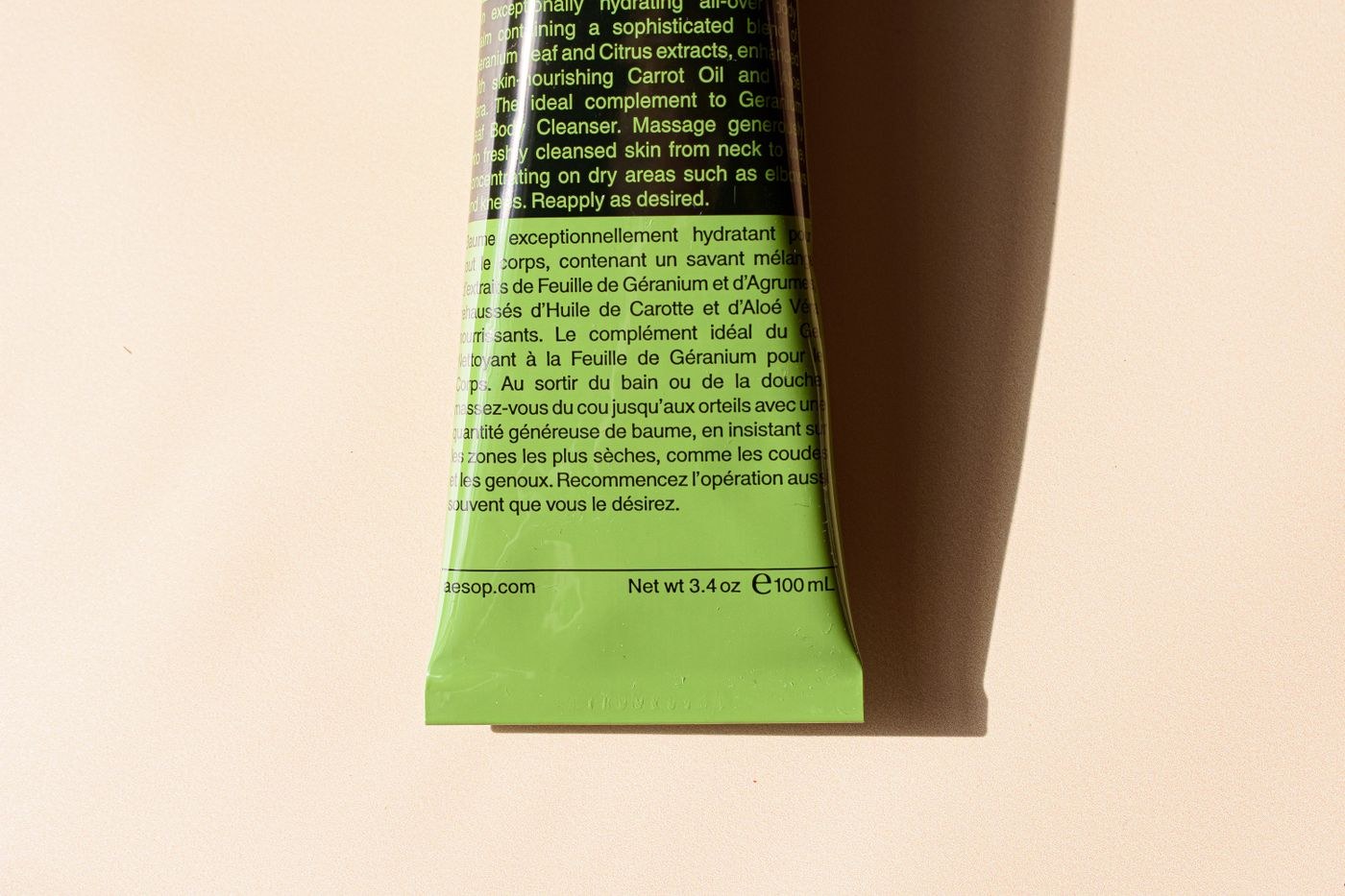
Comparing pump, tube and jar packaging
A pump, tube and jar each change how you dispense and handle a product. None is automatically the best choice for every formula or user.

Imagine the daily movement
A pump can be used with one hand if the bottle stands securely. A tube may fit better in a bag but require squeezing and replacing a cap. A jar gives access to a thicker product but may need both hands and careful handling. Try to picture the actual setting, including wet hands, limited shelf space or reduced grip.
Check whether you can dispense a small amount. A pump that delivers a large fixed portion may be inconvenient for occasional use. A narrow tube opening can offer control, but a very stiff tube may become difficult as it empties. These are usability differences rather than claims about the formula’s quality.
Consider closure and contact
FDA identifies packaging and consumer handling among the factors that can affect cosmetic contamination. Keep openings clean and close the product after use. A pump does not excuse poor storage, and a jar is not automatically contaminated simply because of its shape.
Follow the instructions for any applicator supplied. If a spatula is intended to be reused, it needs an appropriate cleaning and drying method. Do not return a used tool to a product without considering the manufacturer’s directions. A decorative scoop is not useful if it is always left wet beside the sink.
Avoid dismantling a pack just to retrieve the last small amount if doing so defeats the closure or changes how the product is handled. Ask the manufacturer about the intended end-of-pack method.
Look at the final portion
Ask how the pack is intended to be emptied and whether replacement parts are sold. A pump that stops dispensing while product remains may have a manufacturer-supported method; it is not a reason to cut open a container and keep the exposed contents indefinitely.
When comparing price, include whether you can reasonably use the quantity under the intended conditions. A heavy luxury case can be appealing without changing the formula’s function. Treat that preference honestly as a packaging choice instead of inventing a safety advantage from weight, opacity or a medical-looking design.
Compare the complete purchase
Check refill availability, not merely a refillable claim. Does the refill use the same dispenser? Is there an instructed cleaning stage? How long is the container expected to be reused? The answers may change the value of a premium outer jar.
For travel, a locking pump is convenient only if you understand the lock and it works reliably. Test closure with the original product in an appropriate setting before putting it beside clothing. Do not assume that any pump can be made leakproof by turning it.
Choose the format that lets you use the product correctly and finish a reasonable amount. A smaller tube may suit a rarely used product better than a large refillable jar, even when the latter looks more substantial on a shelf.