Cleaning cloths: separating jobs and drying between uses
A cleaning cloth should have a clear job and a route back to clean, dry storage. Colour coding only works when everyone understands it.
Separate the tasks that matter
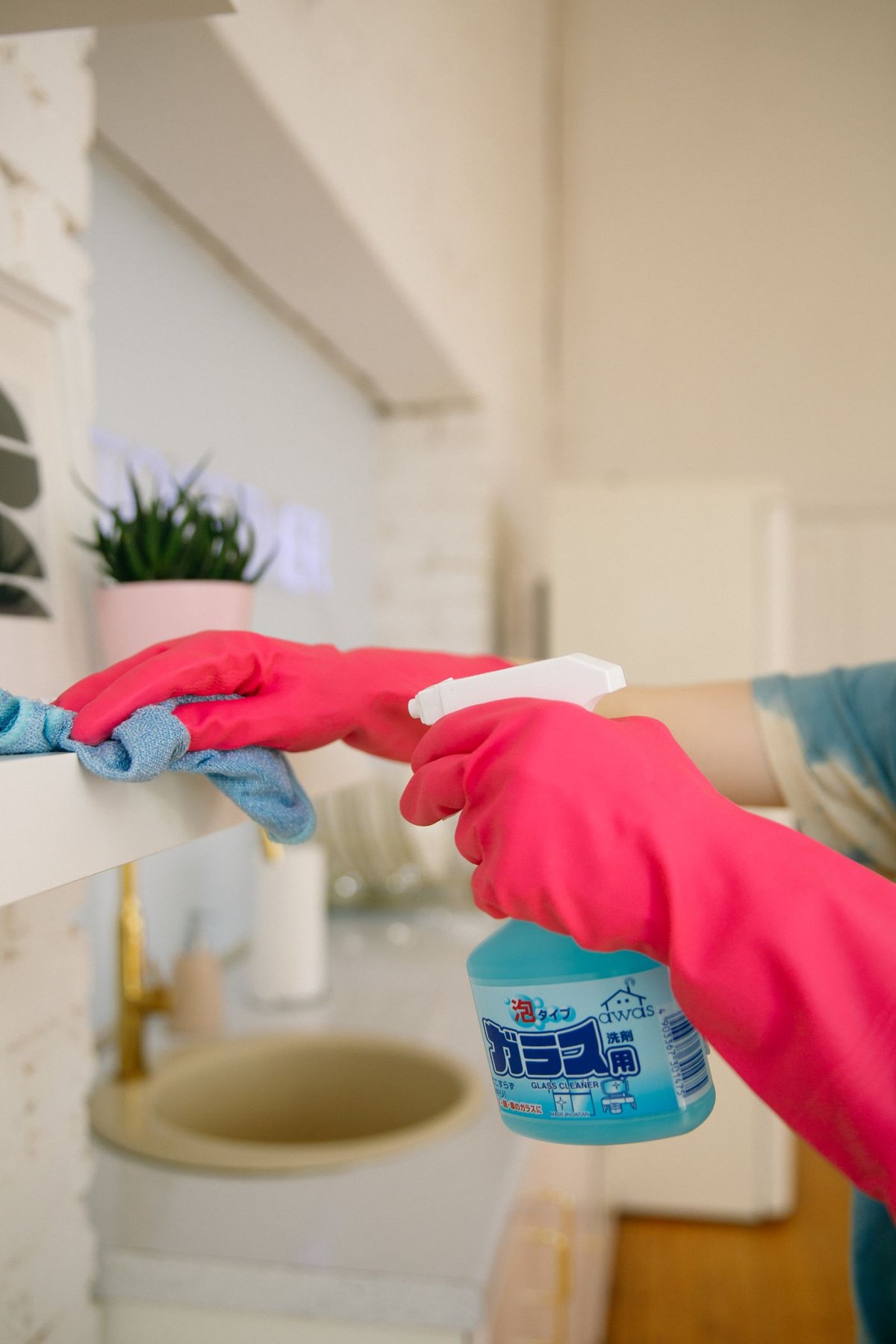
Keep kitchen, bathroom and other cleaning cloths distinguishable. You can use colours, labels or separate storage; the system matters less than consistent use. A cloth used around a toilet should not later be mistaken for one used on a food-preparation counter.
Do not rely on smell to decide whether a cloth is ready to reuse. Visible dirt is not the only reason it may need laundering. Establish a manageable replacement and washing routine based on the tasks performed and any specific household health guidance.
Choose fabric and texture for the surface
A soft cloth suitable for a screen is not necessarily the best tool for a rough outdoor surface. Check the item being cleaned and the cloth’s care instructions. Abrasive fibres or trapped grit can mark a finish even when the cleaning product is compatible.
Buy enough cloths to maintain separation and cleaning without creating an unmanageable laundry pile. A few regularly maintained tools are more useful than a drawer full of damp or unidentified ones. Replace cloths that have deteriorated beyond their intended use.
Clean and dry before storage
Follow the cloth’s laundering instructions and the relevant product guidance for residues. Avoid mixing household cleaning chemicals in a bucket of used cloths. If a cloth has been used with a hazardous product, consult that product’s instructions rather than adding it casually to ordinary laundry.
Let clean cloths dry thoroughly in an appropriate place before closing them in a container. A hook or rack can be useful between permitted uses, but it does not replace washing when washing is needed. Keep the clean supply away from splashes and dirty tools.
Make the system visible
In a shared home, put the meaning of colours or locations where people can see it. If someone changes the system, explain the change rather than assuming the next user will infer it. Keep cloths for spills separate from those reserved for delicate surfaces if that distinction helps.
Review the routine when circumstances change, such as illness or a new pet. General household cleaning may need adjustment in particular situations. The aim is reliable task separation and maintenance, not a claim that a particular cloth material makes every surface hygienic without an appropriate process.